
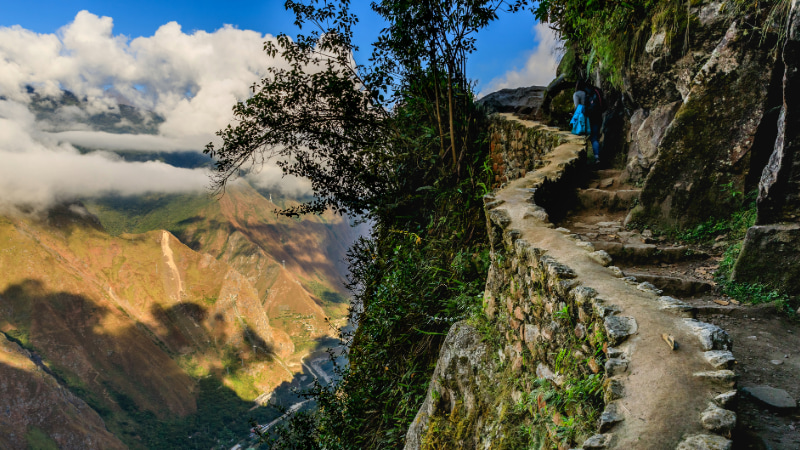
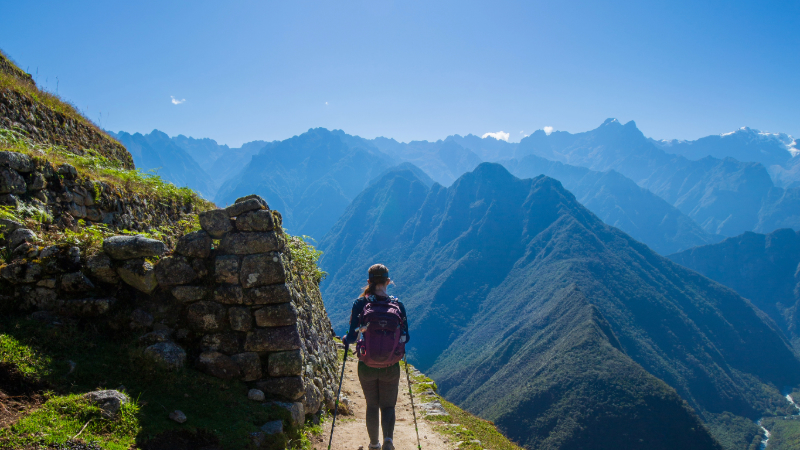
We’re thrilled to guide you on the Classic Inca Trail, a 42-kilometer journey through Peru’s majestic Andes that you’ll never forget. First, we pick you up in Cusco and drive to Km 82, where your adventure begins.
We start hiking through vibrant green valleys and misty cloud forests, tracing the ancient path of the Incas. Each step feels like a connection to history. Next, we explore archaeological gems like Llactapata, Runkurakay, and Sayacmarca, marveling at the Inca’s engineering brilliance. These ruins spark awe and curiosity. As we climb to Dead Woman’s Pass, the trail’s highest point at 4,215 meters, we pause to catch our breath. The panoramic views are absolutely worth the effort!
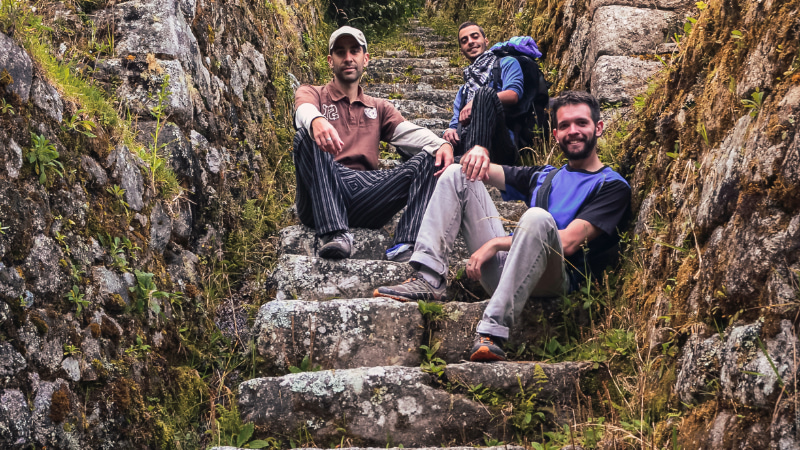
Then, we descend through stone tunnels carved into mountains and serene alpine landscapes, perfect for stunning photos. Along the way, our expert guides share stories of Inca culture, bringing the trail to life. On the final day, we wake early and trek to the Sun Gate at sunrise. There, Machu Picchu reveals itself in all its glory, a moment that feels like pure magic.
We lead you through a guided tour of this world wonder, diving into its history and mysteries. Our team of professional guides, porters, and chefs ensures your comfort every step of the way. We provide hearty, delicious meals, cozy tents for two, and even cater to dietary needs like vegetarian or gluten-free with ease.
Why choose this trekk? It’s a unique blend of adventure, history, nature, and jaw-dropping scenery that no other trail offers. But here’s the catch: permits for the Inca Trail are limited, with only 500 issued daily, and they sell out fast, especially from April to September. Ready to make memories that last forever? Join us with Authentic Incan Adventures and book your spot to Classic Inca Trail today!
ITINERARY
Day 1: Cusco – Wayllabamba
Trek Begins
We leave early from Cusco by private transport to Km 82, where the Inca Trail starts. There, you’ll meet the porters and guides, and then we’ll begin the trek.
Hike to Wayllabamba
The first day’s hike is easy, passing Inca ruins like Llactapata and the Urubamba River, with a lunch stop before reaching Wayllabamba to camp overnight.
Day 2: Wayllabamba – Warmiwañusca – Pacaymayo
Challenge at Warmiwañusca Pass (Dead Woman’s Pass)
Today is the toughest day as we make our way up to the highest point, Warmiwañusca Pass (4,200 meters). The ascent is steep and strenuous, but the panoramic views from the top make it worthwhile. After a well-earned break at the summit, we will descend to Pacaymayo, where we will set up camp.
Day 3: Pacaymayo – Wiñay Wayna
Inca Ruins Exploration
On the third day of the Inca Trail, you’ll hike through stunning landscapes, visiting archaeological sites such as Runkurakay, Sayacmarca, and Phuyupatamarca. The day concludes at Wiñay Wayna, where we camp for the final night.
Day 4: Wiñay Wayna – Machu Picchu – Cusco
Entry through the Sun Gate (Inti Punku)
Rise early to hike to Inti Punku (the Sun Gate), where you’ll have a spectacular view of Machu Picchu at dawn. After photos and time to savor the moment, we descend to the citadel for a guided tour lasting approximately 2 hours.
Free Time at Machu Picchu & Return to Cusco
INCLUDES
- Transport from Cusco to the trek starting point (Km 82)
- Entrance to the Inca Trail and Machu Picchu
- Professional bilingual guide (Spanish-English)
- Porters and cooks to carry camping equipment and food
- Camping gear (tents and sleeping mats)
- All meals during the trek (breakfast, lunch, and dinner)
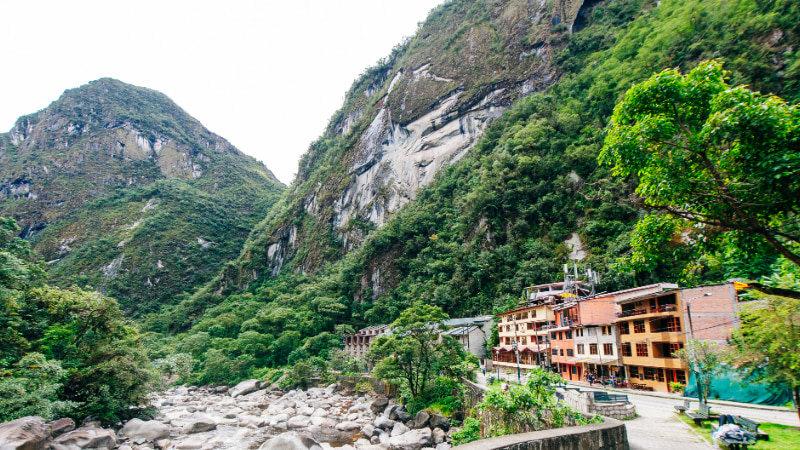
- Bus from Machu Picchu to Aguas Calientes
- Return train from Aguas Calientes to Ollantaytambo and transport to Cusco
NOT INCLUDES
- Sleeping bag (available for rent)
- Trekking poles (optional)
- Personal expenses
- Tips for porters, guides, or cooks (optional)
- Travel insurance
RECOMENDATIONS
What to Bring:
- Layered clothing to adjust to changing weather (light clothes for the day and warm clothes for the night)
- Waterproof jacket and pants, as the weather can change quickly
- Sunscreen, sunglasses, and hat
- Reusable water bottle and energy snacks
- Small daypack for personal items (porter service available for heavier gear)
Recommended Footwear:
- Waterproof and comfortable trekking boots, ideal for rough terrain
Local Remedies:
- Coca tea: Very helpful to combat altitude sickness on the tougher days
- Coca or muña candies: Great for maintaining energy during the hike
Pharmaceutical Remedies:
- Acetazolamide (Diamox) to prevent altitude sickness, consult with your doctor beforehand
- Pain relievers for potential headaches or muscle soreness
Possible Challenges During the Tour:
- Altitude Sickness: Often encountered on the second day, especially when crossing Warmiwañusca Pass. Hydration, rest, and coca tea help ease symptoms.
- Extreme Fatigue: This is a high-difficulty trek, so it’s important to pace yourself and rest when needed.
- Dehydration: Stay hydrated throughout the trek, even if you don’t feel very thirsty due to the cool temperatures.
FAQ
1. Is it necessary to be in good physical shape for the Classic Inca Trail?
Yes, good physical condition is essential for the Classic Inca Trail, especially on Day 2, where the Inca Trail Difficulty peaks at the challenging Warmiwañusca Pass (4,200 m). We guide you through this demanding Inca Trail Trek, but preparation is key for the 43 km journey. Compare with Short Inca Trail for a less intense option!
2. Is acclimatization required for the Classic Inca Trail?
Absolutely, we recommend spending at least 2 days in Cusco before the Classic Inca Trail to combat Inca Trail Altitude effects, with a maximum of 4,200 m at Warmiwañusca Pass. Stay hydrated and try coca tea to ease symptoms. Explore Cusco City Tour to acclimate while enjoying the city!
3. What kind of meals are offered on the Classic Inca Trail?
Our cooking team prepares nutritious Andean meals for the Classic Inca Trail, including 4 breakfasts, 4 lunches, and 3 dinners, with vegetarian options if requested. The Inca Trail Guide ensures variety, like quinoa soup, to fuel your Inca Trail Trek. Learn more in Andean Food: Authentic Flavors not to be Missed!
4. Can I rent trekking equipment for the Classic Inca Trail?
Yes, you can rent sleeping bags and trekking poles in Cusco for the Classic Inca Trail if needed. We provide camping gear, but personal items are your responsibility. The Inca Trail Guide assists with logistics. Check 10 Essential Tips for an Unforgettable Trip to Cusco for packing advice!
5. Is the Classic Inca Trail open year-round?
No, the Classic Inca Trail closes in February for maintenance during the rainy season. The best time is the dry season (April-October), with mild Inca Trail Weather (10-20°C days, 0-5°C nights). Book early due to Inca Trail Permits limits. Try Choquequirao Trek as an alternative in February!
6. What is the Classic Inca Trail distance?
The Classic Inca Trail distance is approximately 43 km, split across 4 days: 12 km to Wayllabamba, 11 km to Pacaymayo, 15 km to Wiñay Wayna, and 5 km to Machu Picchu. We guide you through this Inca Trail Trek with stunning views. Compare with Short Inca Trail!
7. What is the Classic Inca Trail altitude?
The Classic Inca Trail altitude reaches 4,200 m at Warmiwañusca Pass, descending to 2,430 m at Machu Picchu. We provide oxygen to manage Inca Trail Altitude challenges. Acclimate in Cusco with 10 Essential Tips for an Unforgettable Trip to Cusco!
8. Do I need permits for the Classic Inca Trail?
Yes, Inca Trail Permits are required, limited to 500 per day (-200 for tourists). We handle bookings, but reserve 6-8 months ahead for the Classic Inca Trail. Contact us early to secure your spot!
9. What is the Classic Inca Trail history?
The Classic Inca Trail, part of a 40,000 km Inca road network, was built over 500 years ago to connect Machu Picchu. We share this Inca Trail History as you explore ruins like Runkurakay. Dive deeper with Inca Empire: The Golden age of the Andes!
10. How many days is the Classic Inca Trail?
The Classic Inca Trail spans 4 days and 3 nights, covering 43 km to Machu Picchu. We guide you through this Inca Trail Trek with comfort and history. Plan with The Warmiwañusca Pass: A Challenging Challenge for Day 2 insights!
11. What should I pack for the Classic Inca Trail?
Pack layered clothing, a waterproof jacket, sunscreen, and a reusable water bottle for the Classic Inca Trail. We provide camping gear, but rent a sleeping bag if needed. The Inca Trail Guide recommends boots for the Inca Trail Difficulty. See 10 Essential Tips for an Unforgettable Trip to Cusco.
12. How do you navigate the Classic Inca Trail?
Our Inca Trail Guide leads you through the Classic Inca Trail, ensuring you follow the 43 km route from Km 82 to Machu Picchu. No maps are provided, but expert navigation is included. Explore Sun Gate: A Gateway to Adventure and History for highlights!
13. Can I take photos on the Classic Inca Trail?
Yes, capture stunning Inca Trail Ruins and Machu Picchu views on the Classic Inca Trail, especially at Inti Punku. We guide you to the best spots. Extend your trip with Rainbow Mountain Tour for more photo opportunities!
14. How does the Classic Inca Trail compare to other treks?
The Classic Inca Trail offers a historic 43 km Inca Trail Trek to Machu Picchu, unlike the wilder Choquequirao Trek . It’s more structured but challenging, with Inca Trail Difficulty at Warmiwañusca Pass. Choose your adventure!
15. What is the Classic Inca Trail weather like?
The Classic Inca Trail weather features mild days (10-20°C) and cold nights (0-5°C), best in April-October. February closes due to Inca Trail Weather rains. Pack layers and stay hydrated with The Warmiwañusca Pass: A Challenging Challenge tips!
16. What is the difference between the Classic Inca Trail and the Short Inca Trail?
The Classic Inca Trail is a 4-day, 43 km Inca Trail Trek with full ruins exploration, while Short Inca Trail is a 2-day option to Machu Picchu. We tailor both for your Inca Trail Difficulty preference!
17. What is the difference between Machu Picchu and Inca Trail?
Machu Picchu is the iconic destination at the end of the Classic Inca Trail, a 15th-century citadel. The Inca Trail Trek is the 43 km journey to reach it, with Inca Trail Ruins along the way. Experience both with us!
18. How long does it take to hike the Classic Inca Trail?
The Classic Inca Trail takes 4 days and 3 nights to hike ~43 km, with daily stages from 5 to 8 hours. We guide you through this Inca Trail Trek at a steady pace. Prepare with 10 Essential Tips for an Unforgettable Trip to Cusco!
19. What is the Classic Inca Trail elevation gain?
The Classic Inca Trail elevation gain peaks at 4,200 m at Warmiwañusca Pass, with a total ascent of 2,000 m. We manage Inca Trail Altitude with oxygen support. Train for Inca Trail Difficulty with The Warmiwañusca Pass: A Challenging Challenge!
20. What is the Classic Inca Trail to Machu Picchu route?
The Classic Inca Trail to Machu Picchu route spans 43 km, from Km 82 to Inti Punku, passing Inca Trail Ruins like Wiñay Wayna. We guide you to this Machu Picchu climax. Explore Sun Gate: A Gateway to Adventure and History!
Precio del Tour
USD
More
Tours