
Ollantaytambo, located in the spectacular Sacred Valley of the Incas, is not only a picturesque town full of history and culture, but also a place where nature and mysticism intertwine. Its imposing fortress, dreamlike landscapes and enigmas that arouse curiosity, make it a destination that captivates those who visit it. Join us to discover the natural wonders and fascinating curiosities that make Ollantaytambo a unique place in the world.
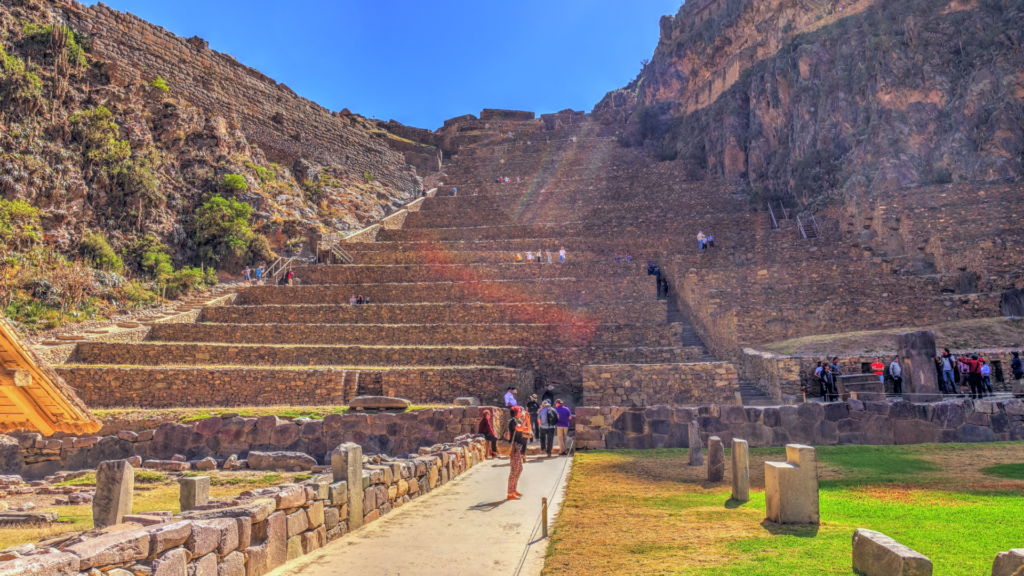
Ollantaytambo: An Incomparable Natural Scenery
The town is surrounded by imposing mountains and bathed by the Urubamba River, Ollantaytambo is a true paradise for nature and adventure lovers. This Andean environment offers spectacular views and a biodiversity that reflects the ecological richness of Peru.
Mountains that Tell Stories
The mountains surrounding Ollantaytambo are not only visually stunning, but also have an important meaning in the Andean cosmovision. Known as “Apus”, these formations are considered spiritual guardians by the local communities. One of the most emblematic is the Cerro Pinkuylluna.
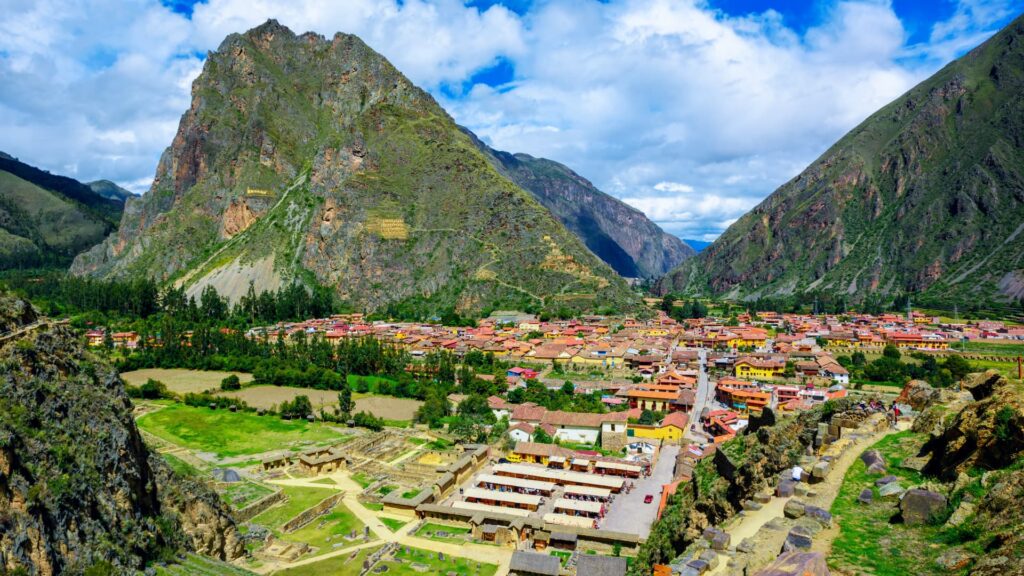
Pinkuylluna
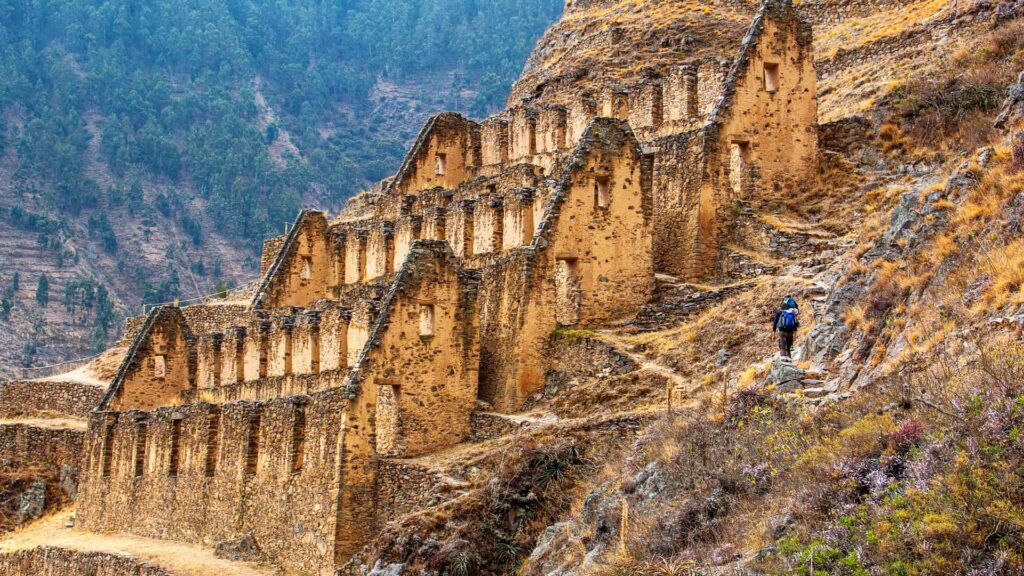
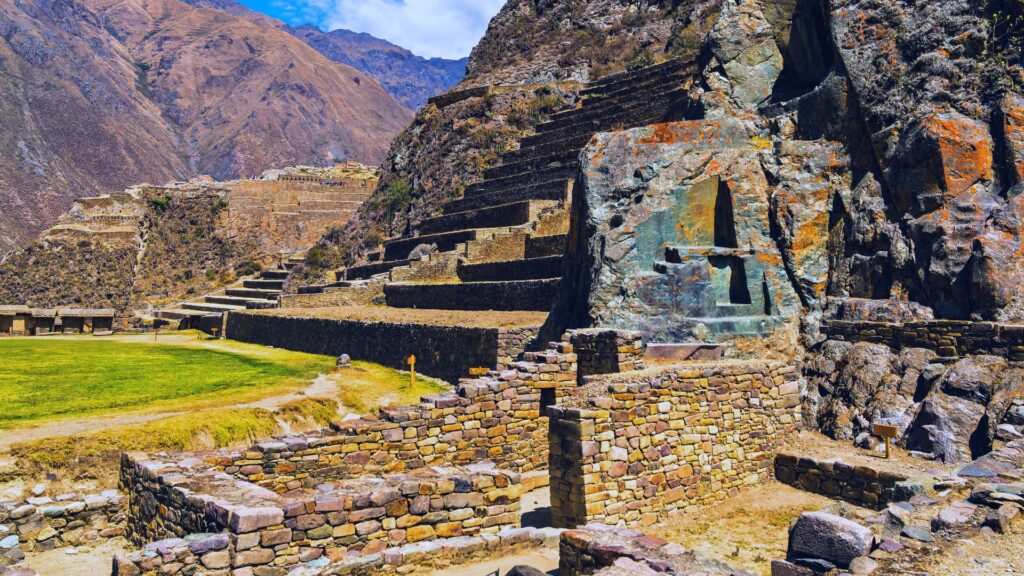
Its pronunciation would be: pen-cuy-you-na, whose Quechua meaning is flute whistle. This name is due to the resonance of the wind on the slopes of the valley, which is similar to the sounds of this instrument. In this area are the Inca warehouses that seem to defy gravity as they are built on almost vertical slopes. These warehouses are more than 500 years old and were also called colcas or qolqas.
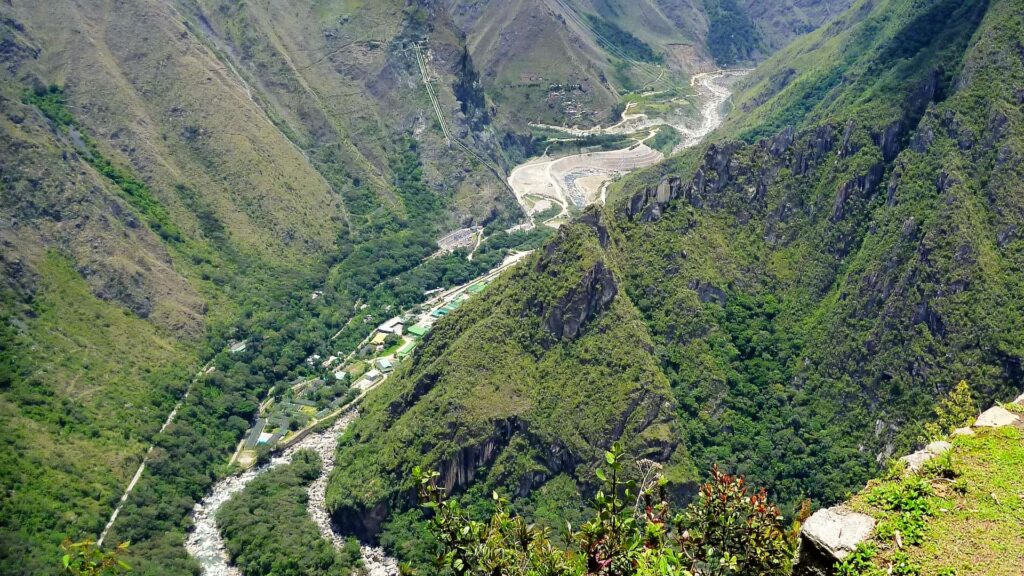
Rivers and Fertility
The Urubamba River, which runs through the Sacred Valley, was considered another deity in Inca times, this source of life has nourished the lands since Inca times. This river not only brings beauty to the landscape, but also allows activities such as rafting, an unforgettable experience for those seeking adventure and adrenaline in the middle of nature.
Curiosities that Awaken the Imagination
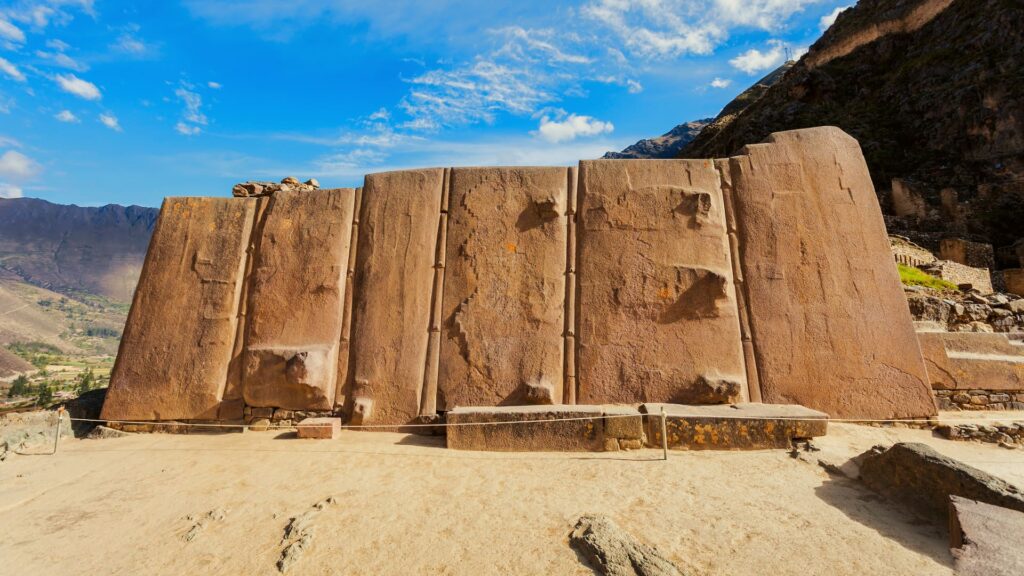
The Mystery of the Giant Stones
One of the greatest enigmas of Ollantaytambo is the transportation and placement of the gigantic stone blocks that make up its fortress. These stones, which can weigh up to 50 tons, were brought from a quarry located several kilometers away. The impressive thing is that the transportation of these rocks had to be carried out
Crossing the river and climbing steep terrain. Even today, archaeologists debate the techniques the Incas used to accomplish this feat.
Faces in the Mountains
If you look closely at the mountains surrounding Ollantaytambo, you will notice shapes that look like human faces carved into the rock. One of the most famous is known as the “Face of the Inca”, visible on the Pinkuylluna Hill. Although some believe that these figures are the work of nature, others speculate that they were intentionally sculpted as part of a symbolic and religious system.

The Inca Astronomical Calendar of Ollantaytambo
Ollantaytambo is also noted for its relationship with astronomy. It is said that some of the constructions of the fortress and the alignments of the nearby mountains function as a solar calendar. During the solstices, the sun’s rays illuminate specific points on the structures, marking events considered important in the Andean calendar.
Biodiversity in Ollantaytambo
Being located between the Andes and the high jungle, the living Inca town is a privileged place in terms of biodiversity. Travelers who visit this place are dazzled by the variety of animal and plant species that enrich the experience.
Flora
The Sacred Valley is home to an impressive diversity of plants, many of which were cultivated by the Incas due to their nutritional and medicinal importance. Among them are:
- Purple corn: Cultivated since time immemorial, this grain is not only nutritious, but is also the basis of traditional beverages such as chicha morada.
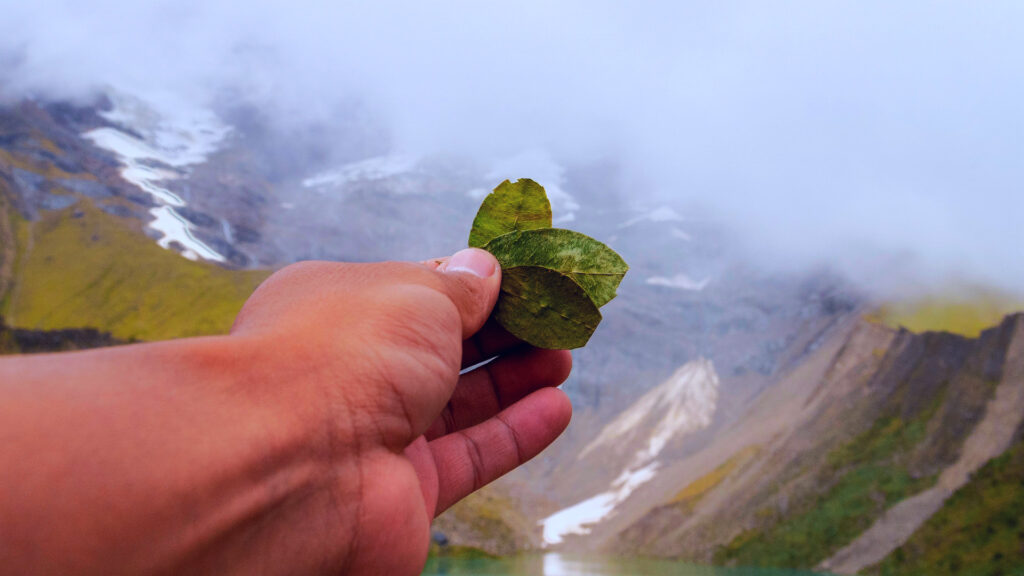
- Coca: A sacred plant used by the Incas in ceremonies and as a natural remedy for altitude sickness.
- Orchids: Ollantaytambo is home to several species of orchids, whose flowers decorate the landscape with their vibrant colors.
Fauna
Among the animals that can be found in the region are llamas and alpacas, which graze peacefully in the surroundings, as well as a great variety of birds, such as hummingbirds and the imposing Andean condor. The lucky ones might even spot a spectacled bear, an endangered species that inhabits the most remote mountains.

Activities to Connect with Nature
Ollantaytambo offers a variety of activities that allow visitors to enjoy its natural environment:
- Trekking: Hiking to archaeological sites such as Pumamarca.
- Mountain biking: The routes around Ollantaytambo are perfect for lovers of adventure on wheels, if you are looking for this type of adventure investigate the packages that different agencies can offer you.
- Photography: Every corner of this place is worthy of being immortalized, from its cultivated fields to its majestic mountains.
Ollantaytambo: A Place that Inspires
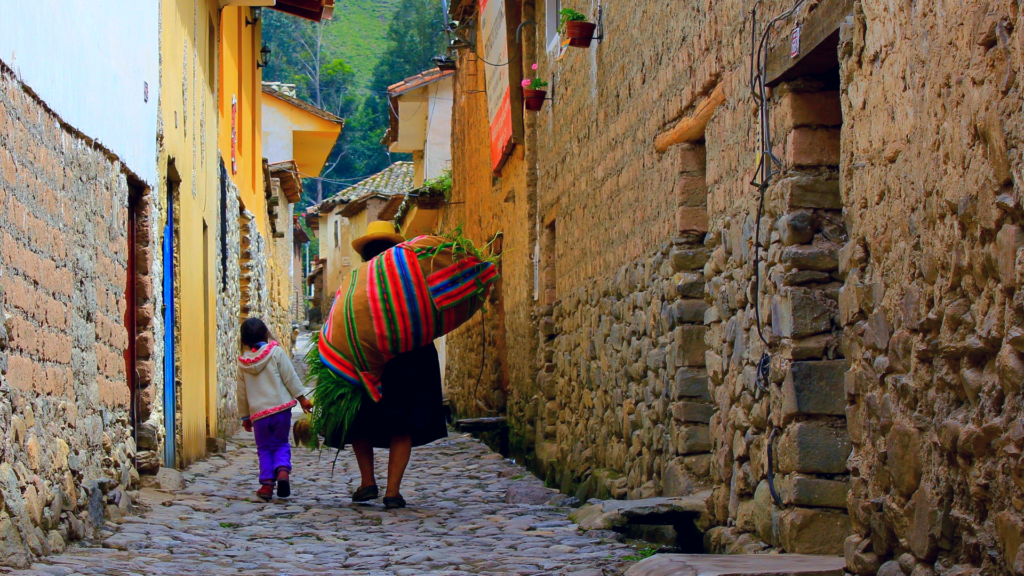
Beyond its natural beauty and enigmas, Ollantaytambo is a place that invites you to reflect on the capacity of human beings to live in harmony with their environment. Every stone, every terrace and every path tells a story of ingenuity, respect, spirituality and connection with the earth and nature.
In Summary
Ollantaytambo is a living testimony of the interaction between nature and Inca culture. With its breathtaking landscapes, fascinating curiosities and amazing biodiversity, this place offers an unforgettable experience for those looking for more than just a trip. How were the Incas capable of these works? Did they have any help? What were the last days of this incredible civilization like? Dare to explore Ollantaytambo and find out for yourself!