
The Inca Pachacutec is considered the greatest Inca of all times, for the amount of achievements he generated and also, the expansion of the Inca Empire.
Pachacutec means “The transformer of worlds” and that is what he achieved for the Tahuantinsuyo.
The appearance of the Sun to Pachacutec
There are several written accounts made on this subject, before the arrival of the Chankas to Cusco, Pachacutec had the appearance of the Sun, which encouraged him to take the leadership of the Tahuantinsuyo.
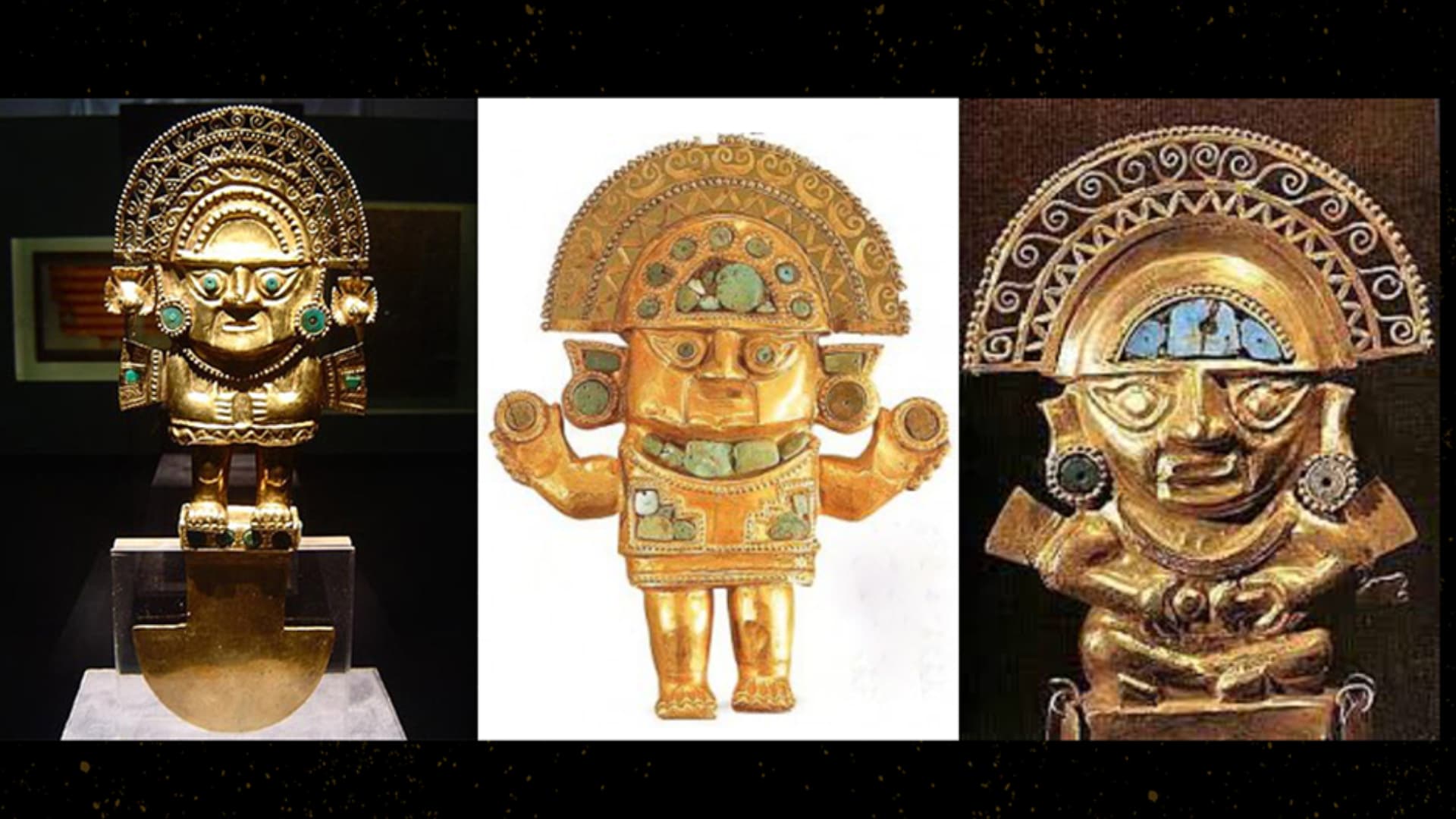
Such an event was so important that Pachacutec Yupanqui had a golden idol made in the shape of a baby, representing the Sun.
So that the population could have a closer connection with the God Inti, thus also strengthening the ties between the new territories that were joining the Empire.
This idol is not found in any of the Cusquenian, European or American museums, which leads us to believe that it was stolen and hidden after the invasion.
Beginning of Pachacutec’s mandate
Pachacutec’s true name was Cusi Yupanqui, the second son of Inca Viracocha, who himself ranked as the eighth ruler of the Tahuantinsuyo.
However, Cusi Yupanqui’s rise to the throne differed sharply from other leaders. Specifically, between 1438 and 1439, the Chankas launched another invasion of Cusco.
Consequently, Inca Viracocha and his eldest son, Urco, fled, fearing defeat and overthrow by the Chankas.
Yet, to their astonishment, an unexpected turn unfolded. Bravely, Cusi Yupanqui rallied the army to protect the Tahuantinsuyo’s capital and spearheaded a bold counterattack.
Thanks to his courage and skillful battle tactics, he triumphed.
As a result, the people crowned Cusi Yupanqui the ninth Inca, renaming him Pachacutec, “The Transformer of Worlds,” a title we all recognize today.
The rise of Tahuantinsuyo
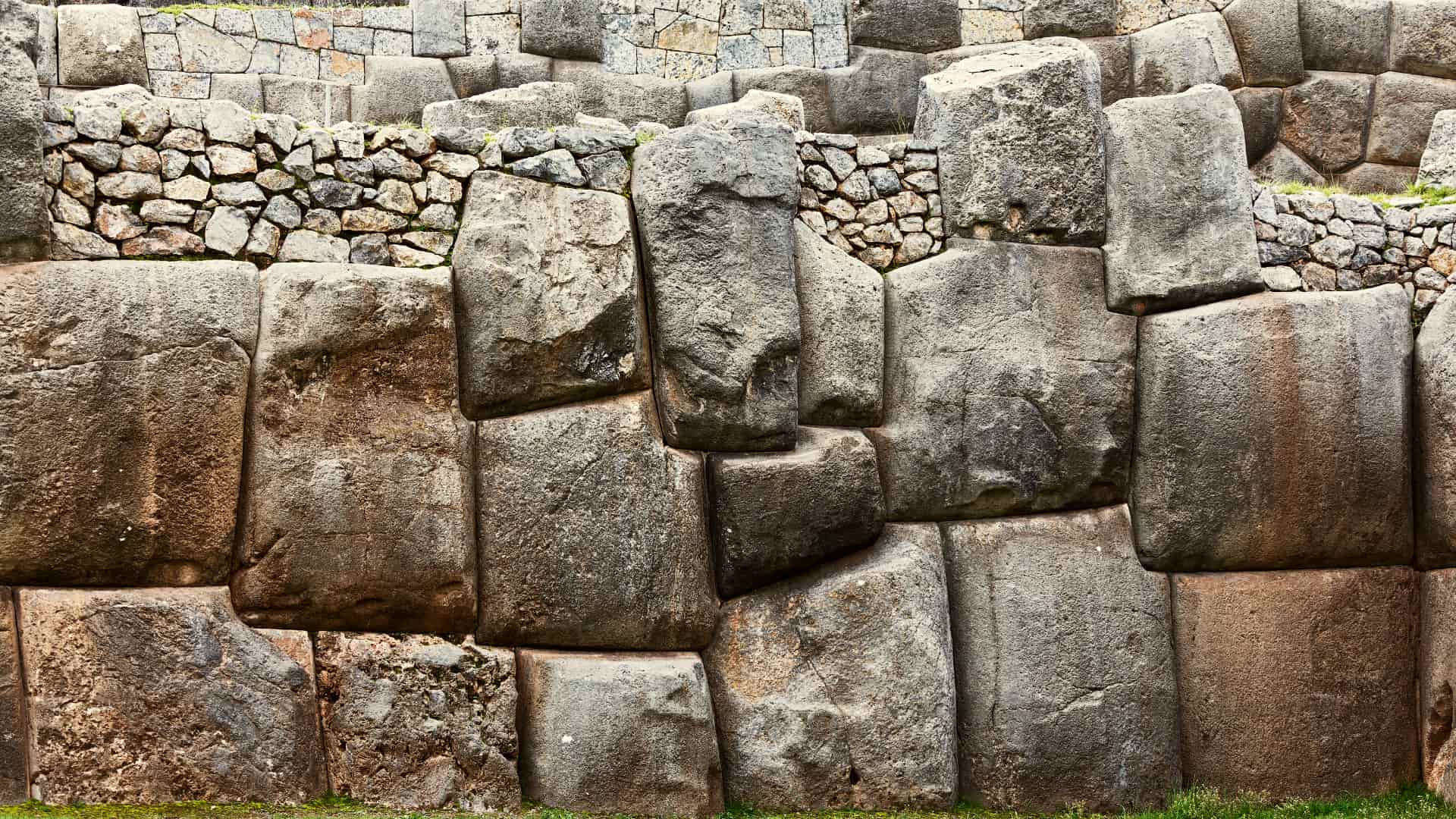
Before Pachacutec took command, the Incas merely governed the Cusco valley and nearby lands. However, after he seized control, the Tahuantinsuyo expanded dramatically.
Consequently, this growth shaped the vast territory we recognize today. Specifically, it stretched from Colombia in the north to Chile and Argentina in the south.
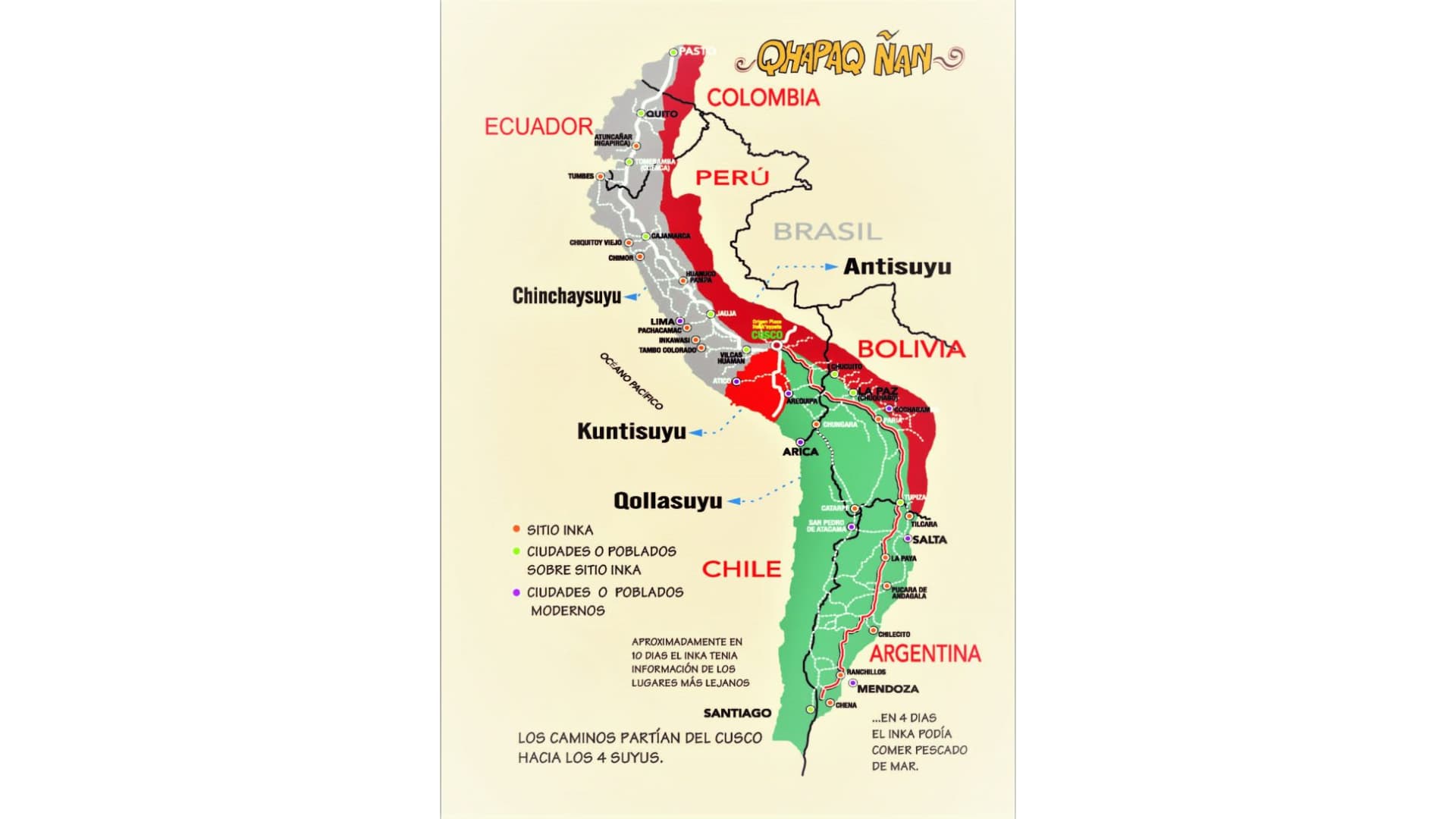
Additionally, Pachacutec formed the four suyos: Contisuyo, Antisuyo, Chinchaysuyo, and Collasuyo.
These four regions embodied the nations the Tahuantinsuyo eventually claimed. Meanwhile, Cusi Yupanqui devised and implemented this structure to enhance the empire’s control and progress.
For instance, when we mention the four, another masterpiece by our protagonist emerges: the Qhapaq Ñan.
What is the Qhapaq Ñam?
The Qhapaq Ñan, or “Network of Roads,” undeniably ranks among the greatest achievements crafted by Pachacutec and the entire Inca Empire.
Indeed, this road system linked the whole Tahuantinsuyo, stretching from south to north and east to west. Consequently, this brilliant Inca creation enhanced communication between towns effortlessly.
Moreover, it established a direct route to the capital, Cusco, strengthening ties across the empire.
Remarkably, sections of this vast network endure today, showcasing engineering prowess unmatched by modern experts.
For example, it not only connects distant regions but also withstands storms and climate shifts resiliently. In my view, this stands as one of the Tahuantinsuyo’s most vital works.
Specifically, it enabled travel from Colombia to Argentina and from Manu “Paititi” to coastal “Pachacamac” and “Caral” fortresses.
The Inca religion and the new cult of God Inti
As you’ve likely read before reaching this point, Pachacutec claimed a divine visit from God Inti. Consequently, he forged a profound connection with him.
In turn, this bond spread to the people, who already held faith in Inti.
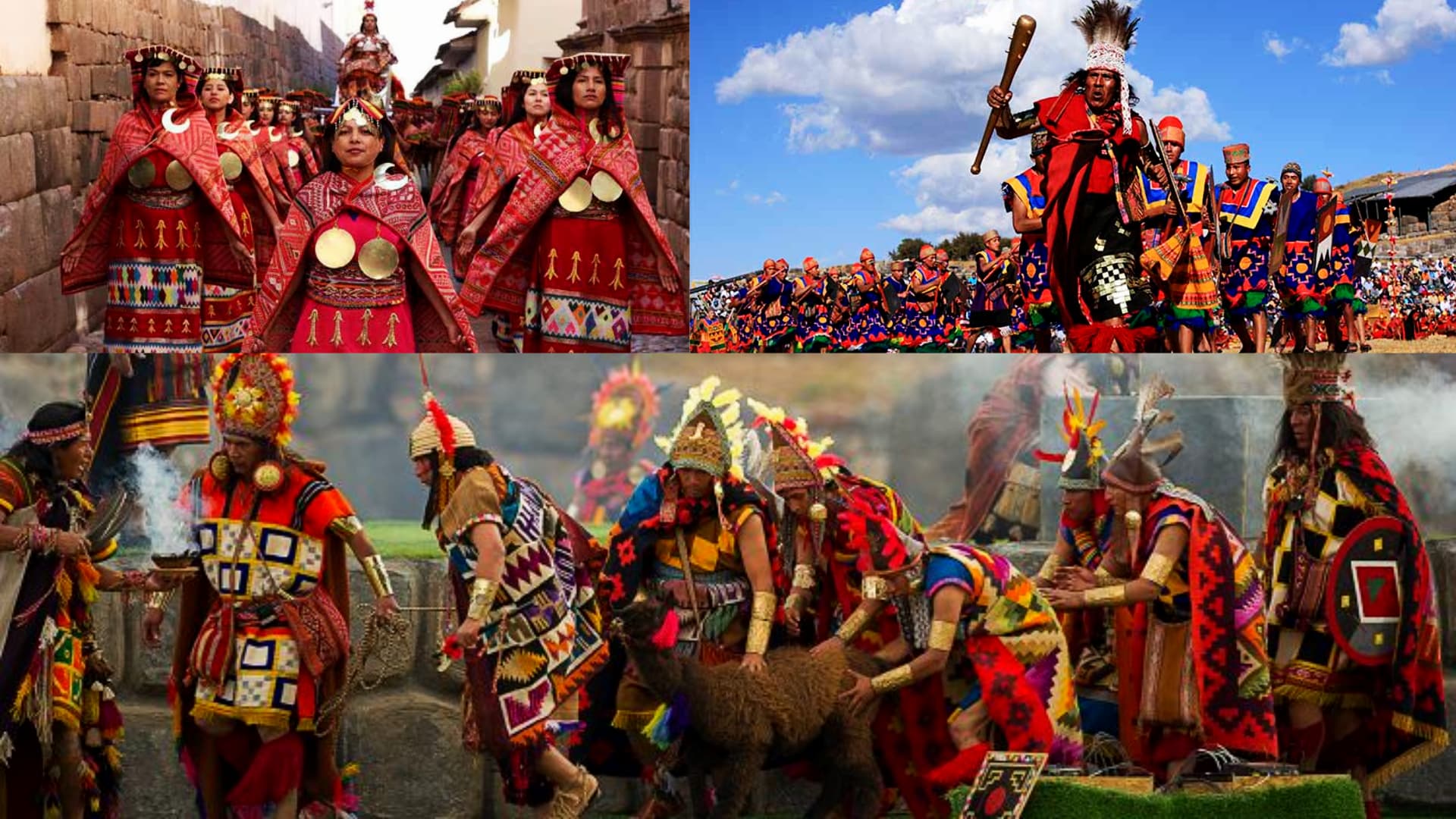
However, our protagonist deepened their devotion significantly. For instance, he introduced greater reverence, crafting the Inti Raymi or a similar celebration.
Notably, the Inti Raymi honors the Sun God, amplifying the Inca legacy.
Thus, he expanded the festival, ensuring its grandeur. Finally, all towns across the Tahuantinsuyo joined in the vibrant festivities.
Pachacutec, the transformer of worlds, undeniably fortified and broadened one of the most remarkable civilizations ever to thrive in Abya Yala. Therefore, what are you waiting for to immerse yourself in the rich ancestry that Cusco proudly holds?