
Dreaming of Peru’s majestic Andes, from Machu Picchu to stunning treks like the Classic Inca Trail? To truly enjoy these high-altitude wonders, understanding how to prevent altitude sickness is key. This guide will equip you to navigate the highlands safely and make your adventure memorable for all the right reasons.
Understanding Altitude Sickness (Soroche)
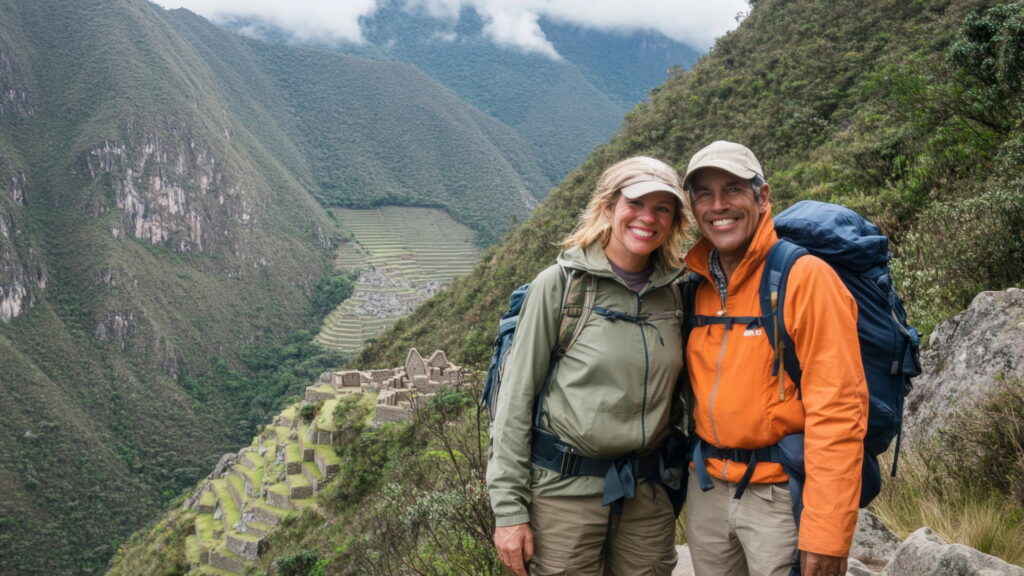
Altitude sickness, known locally as “soroche,” can affect anyone traveling to high elevations (typically above 2,500m/8,000ft) too quickly. It’s your body’s reaction to lower oxygen levels, not a reflection of your fitness. With good information, however, it’s largely manageable.
What Happens to Your Body at High Altitude?
As you ascend, air pressure drops, meaning fewer oxygen molecules per breath. Your body works harder, breathing faster and increasing heart rate, to get enough oxygen. If this adjustment happens too fast, altitude sickness symptoms can appear. Understanding how altitude sickness affects the body helps you prepare.
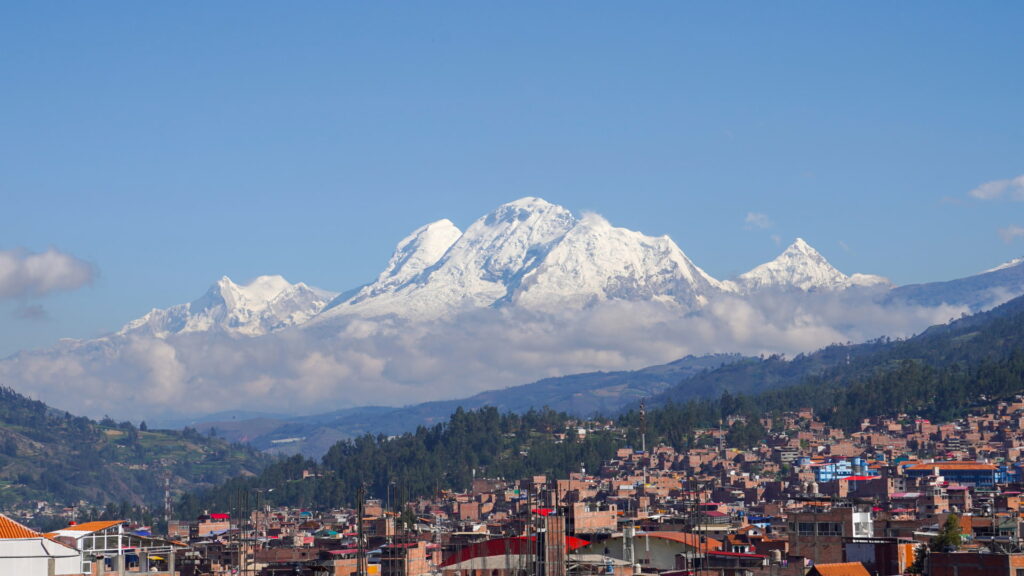
Recognizing Symptoms: From Mild to Critical
Symptoms usually appear 6-12 hours after arrival at high altitude. Prompt recognition is crucial.
- Mild Symptoms: Often like a hangover: headache, dizziness, fatigue, nausea, appetite loss, sleep issues.
- Moderate Symptoms: Worsening headache, increased nausea/vomiting, significant fatigue, poor coordination (ataxia), shortness of breath at rest.
- Severe Symptoms (Medical Emergency – Descend & Seek Help Immediately!):
- HACE (High Altitude Cerebral Edema – brain swelling): Severe confusion, disorientation, inability to walk straight, irrational behavior, extreme drowsiness.
- HAPE (High Altitude Pulmonary Edema – fluid in lungs): Extreme breathlessness at rest, persistent cough (possibly with pink/frothy sputum), chest tightness, blueish skin/lips. Ignoring severe symptoms has serious consequences of altitude sickness.
How Long Does Altitude Sickness Usually Last?
Mild altitude sickness (AMS) often lasts a few hours to a couple of days as your body acclimatizes. Proper management (rest, hydration, no further ascent) usually helps it resolve. However, if symptoms persist or worsen, do not ascend further and consider descending. Knowing how long altitude sickness lasts can help you plan your initial days.
Key Strategies to Prevent Altitude Sickness in Peru
Knowing how to actively prevent altitude sickness is your best defense for a fantastic trip to Peru’s highlands. Fortunately, several effective measures can help your body adapt and minimize risks.

Acclimatization: Your Most Powerful Tool
Gradual adjustment to lower oxygen levels is the most effective way to prevent altitude sickness.
- Ascend Slowly: If possible, increase sleeping altitude by no more than 300-500m (1,000-1,600ft) per day above 2,500-3,000m. Consider an extra night at an intermediate altitude.
- Rest Upon Arrival: For the first 24-48 hours in high-altitude cities like Cusco (3,400m/11,200ft), avoid strenuous activity, heavy meals, and alcohol. Gentle walks are fine. This is crucial before demanding treks such as the Classic Inca Trail or the Choquequirao Trek.
- “Climb High, Sleep Low”: If your trek involves this, it means hiking higher during the day but sleeping at a lower altitude, aiding adaptation.

Hydration and Diet for High Altitude Travel
Your consumption significantly impacts how your body handles altitude.
- Stay Well-Hydrated: Aim for at least 3-4 liters of water daily. Dehydration can worsen symptoms. Limit caffeine and alcohol.
- Eat Light, High-Carb Meals: Digestion slows at altitude. Opt for easily digestible, high-carbohydrate foods (pasta, rice, fruits). Avoid heavy, fatty meals initially. Knowing what to eat to avoid altitude sickness is beneficial.
Pacing Yourself: Listen to Your Body
Your body works harder at high altitudes. Adjust your activity level accordingly.
- Avoid Overexertion: Take it easy, especially your first few days at altitude. Don’t rush.
- Hike at a Steady Pace: Maintain a slow, comfortable pace when trekking. It’s not a race.
- Rest When Needed: Stop and rest if you feel tired or breathless. Pushing too hard can trigger or worsen symptoms.
Natural Remedies: Andean Traditions for Altitude
Andean cultures use natural remedies, which many travelers find helpful alongside acclimatization.
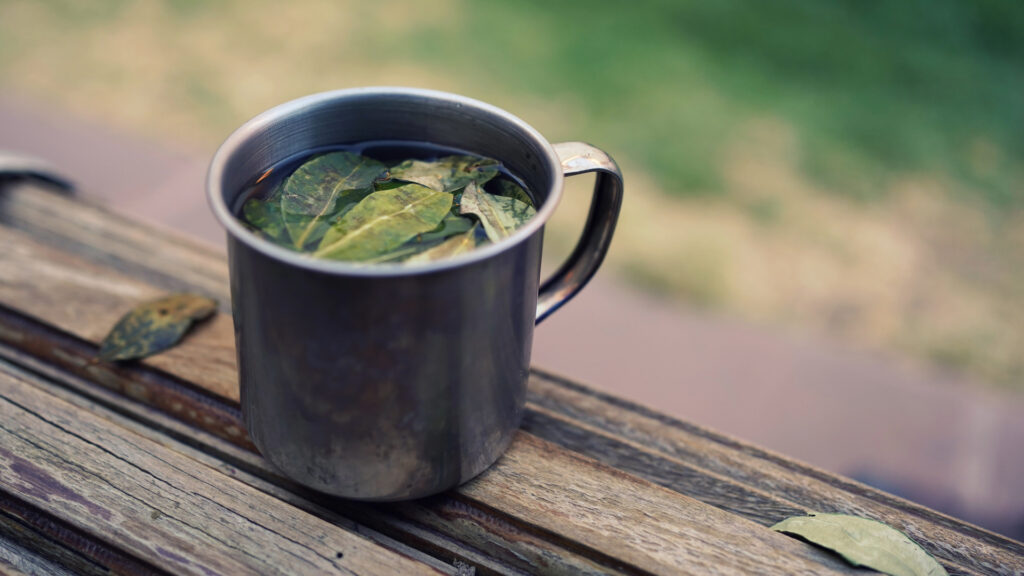
- Coca Tea (Mate de Coca): Famous Andean remedy. Chewing leaves or drinking tea is believed to help with oxygen absorption and mild symptoms (headache, fatigue). Widely available.
- Muña (Andean Mint): Another traditional tea, thought to aid digestion and clear the head.
- Local Advice: Respectfully ask locals for their Andean altitude tips; they often have generations of wisdom.
Medical Considerations: Medications and When to Seek Help
While natural strategies are key to prevent altitude sickness, some travelers consider medications. Crucially, always discuss any medication with your doctor well before your trip.
Medications for Altitude Sickness Prevention (e.g., Diamox)
Acetazolamide (Diamox) is a common prescription medication to prevent altitude sickness. It can help your body acclimatize faster but has potential side effects and isn’t suitable for everyone.
- Prescription Only & Doctor Consultation: Diamox (or any pills for altitude sickness) requires a doctor’s prescription and guidance on dosage and suitability. This is non-negotiable for your safety.
- Not a Replacement for Acclimatization: It aids, but doesn’t replace, gradual ascent and other acclimatization methods.
Other Medications: Aspirin and Pain Relief
Common pain relievers like aspirin for altitude sickness or ibuprofen can help manage mild altitude-related headaches.
- Symptom Relief Only: They treat the headache but don’t prevent or cure altitude sickness itself.
- Consult Your Doctor: Discuss their use at altitude with your doctor, especially with pre-existing conditions.
Altitude Sickness Treatment: Responding to Symptoms
Knowing how to react to altitude sickness symptoms is vital. Here’s a guide to altitude sickness treatment options:
- Mild Symptoms (e.g., slight headache, nausea):
- Stop ascending. Rest.
- Hydrate well (water/coca tea); avoid alcohol.
- Symptoms often improve in 24-48 hours.
- Worsening or Persistent Symptoms:
- Descend immediately. Moving to a lower altitude is the most effective treatment.
- Severe Symptoms (HAPE/HACE – Medical Emergency!): If signs like extreme breathlessness at rest, persistent cough (possibly with frothy/pink sputum), severe confusion, or inability to walk straight appear:
- Descend immediately and urgently.
- Seek professional medical attention without any delay. Emergency oxygen can support during descent but isn’t a substitute for medical care. Understanding the dangers of severe altitude sickness and acting fast is critical.
Special Considerations for Travelers
While the general advice to prevent altitude sickness applies to most individuals, certain groups should exercise extra caution and undertake more thorough preparation when planning travel to high-altitude destinations in Peru.
Altitude Sickness in Children
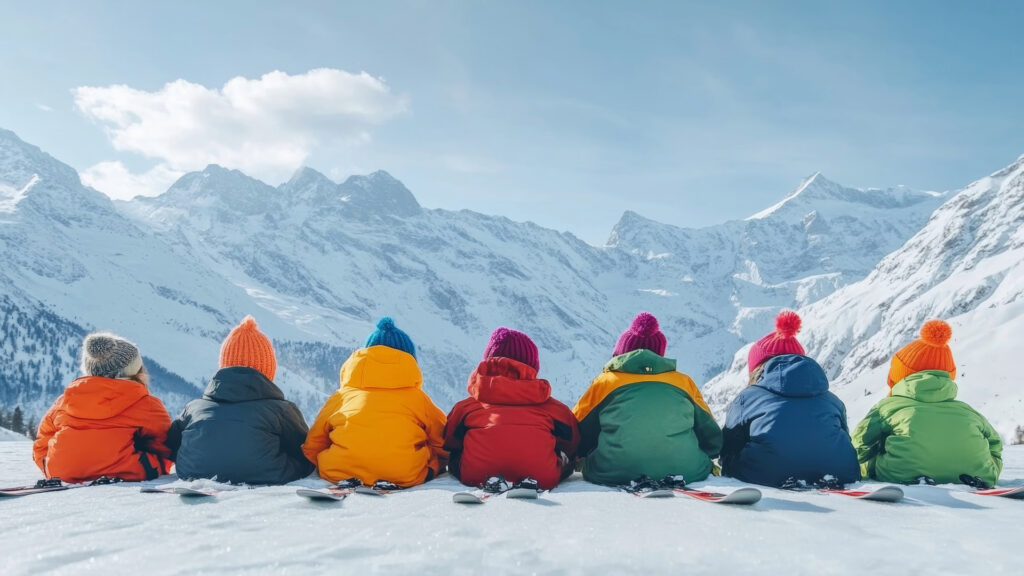
Children are also susceptible to altitude sickness, and they may not always be able to clearly articulate their symptoms. Therefore, vigilance is key.
- Gradual Ascent is Crucial: For families traveling with children, ascending even more slowly than typically recommended for adults is vital. Allow for ample acclimatization days.
- Observe Closely: Pay attention to any changes in your child’s behavior, appetite, sleep patterns, or activity levels, as these could be early indicators.
- Pediatrician Consultation: Always consult your child’s doctor before traveling to high-altitude areas. They can provide specific advice regarding altitude sickness in children treatment, prevention strategies suitable for their age, and any necessary precautions.
Pre-existing Health Conditions and Altitude
Individuals with pre-existing health conditions, particularly those affecting the heart, lungs, or circulatory system (e.g., asthma, heart disease, chronic bronchitis), should be particularly cautious.
- Mandatory Medical Consultation: It is absolutely essential to consult your primary doctor or a specialist before planning any high-altitude travel. They can assess your specific risks based on your health history and provide tailored advice or contraindications.
- Travel Well-Prepared: If your doctor gives you the green light, ensure you travel with all necessary medications, understand how the altitude might specifically affect your condition, and have a plan for emergencies.
Your Adventure Awaits: Travel Prepared and Enjoy Peru!
The magnificent Andes of Peru offer truly once-in-a-lifetime experiences, and with sensible preparation, you can fully embrace and enjoy them. Remember, the most effective strategies to prevent altitude sickness involve allowing your body to acclimatize gradually, staying consistently well-hydrated, listening to your body’s signals, and, crucially, consulting with your doctor about any personal health considerations before you travel.
Don’t let concerns about altitude overshadow the excitement of your upcoming journey. By understanding the risks and taking these straightforward preventative steps, you’ll be well-equipped to embrace the heights and the incredible beauty that Peru has to offer. Whether you’re dreaming of reaching the ancient citadel of Machu Picchu, perhaps via an iconic route like the Short Inca Trail, or exploring other breathtaking high-altitude treks, a little knowledge and preparation go a very long way.
Ready to plan your breathtaking Peruvian journey with peace of mind? Explore all our Authentic Incan Adventures and Peru Tours and let our team help you prepare for an unforgettable, safe, and healthy experience in the Andes. Your adventure truly awaits!