
The astronomy in Cusco, the capital of the Tahuantinsuyo, was not only the political and administrative center of the Inca Empire, but also a place where astronomy played a fundamental role in the urban and architectural organization. The Incas, meticulous observers of the sky, reflected their astronomical knowledge in the layout of their cities, temples and terraces, creating a perfect harmony between the earth and the cosmos. In this article, we will explore how astronomy influenced Cusco’s architecture and how we can continue to appreciate this ancient wisdom today.
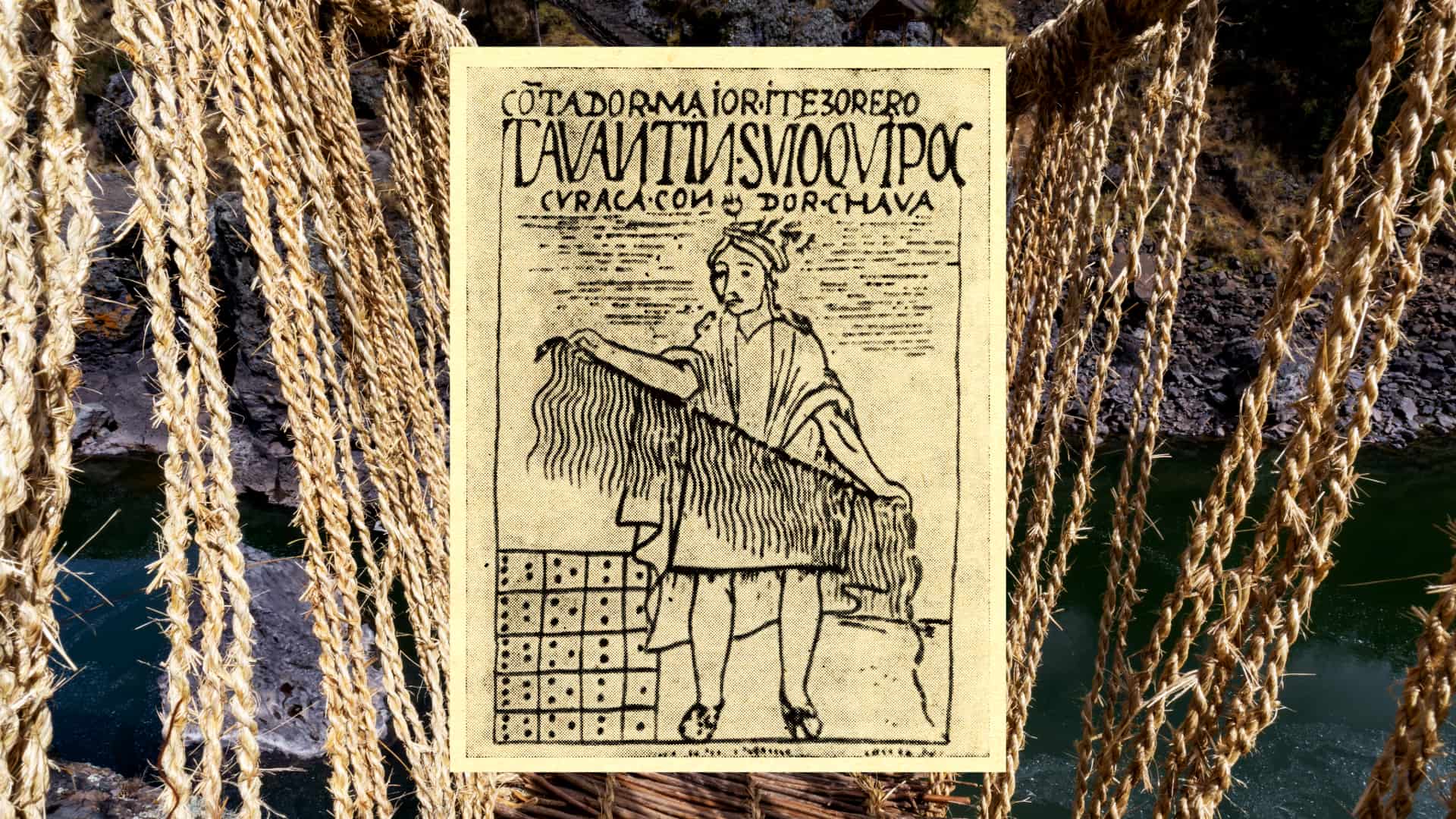
The Incas and their Connection with the Cosmos
The Incas believed that the order of the earthly world should reflect the harmony of the universe. For them, the sun, moon, stars and constellations had a direct influence on daily life, agriculture and religion. Their knowledge of the sky not only allowed them to develop an accurate calendar, but also to construct their major buildings in alignment with key astronomical events, such as the solstices and equinoxes.
The Qorikancha: Temple of the Sun and Astronomical Observatory
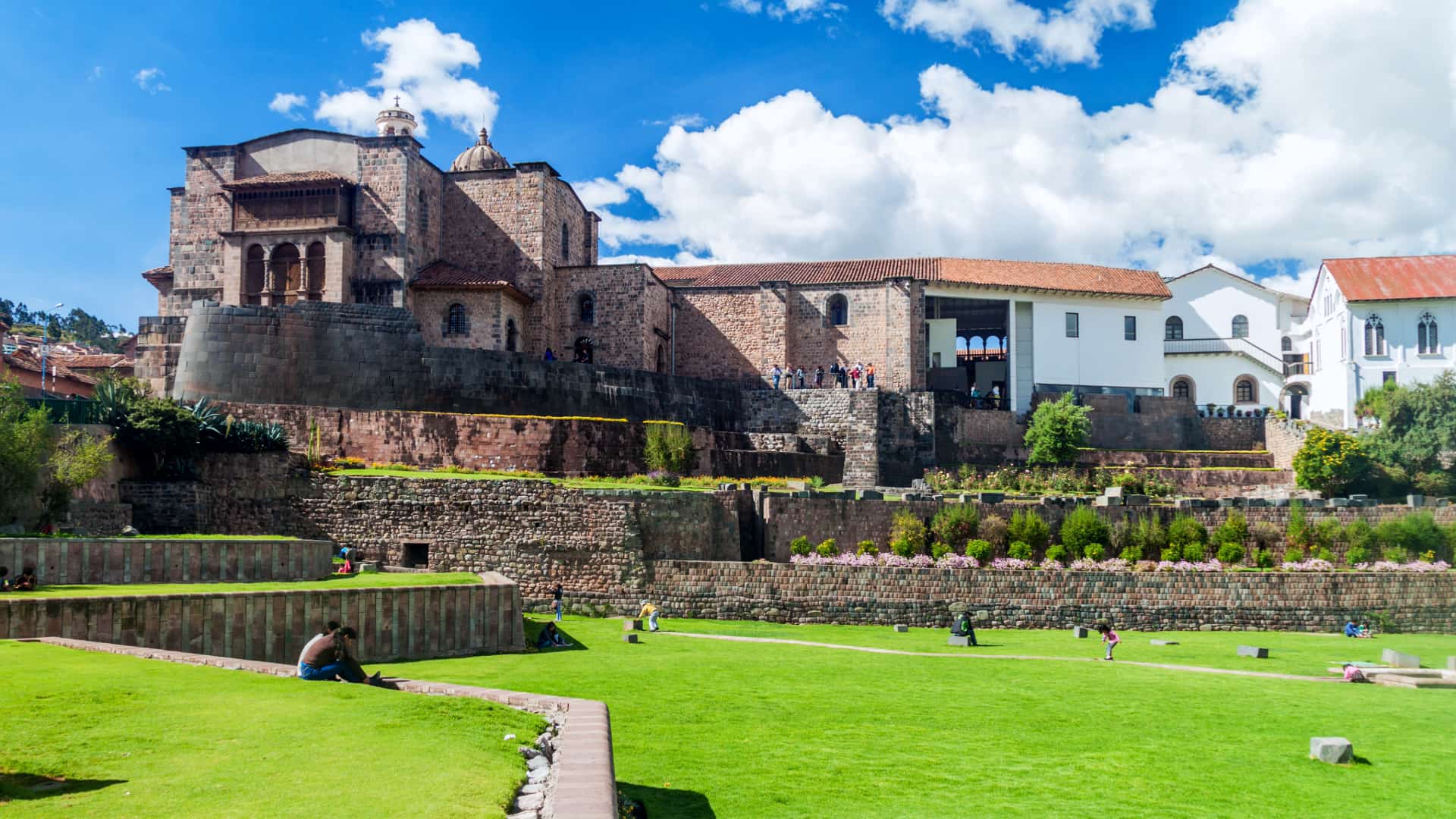
The Qorikancha, the most sacred temple in the Inca world, is one of the best examples of how astronomy influenced Cusco architecture. This enclosure, dedicated to the god Inti (the sun), was covered with gold and its design allowed the movements of the sun to be recorded throughout the year.
The windows and niches of the Qorikancha are precisely aligned with the solstices. During the winter solstice (June 21), the first rays of the sun entered through one of its main windows and illuminated the main altar. This not only marked a key astronomical event, but also symbolized the rebirth of the sun and the renewal of the agricultural cycle.
Saqsayhuaman and its Relationship with the Constellations
The impressive fortress of Saqsayhuaman is not only a masterpiece of Inca engineering, but also a reflection of their connection with the cosmos. Some researchers argue that the zigzagging shape of its walls represents the rays of the god Illapa (lightning), while its location is aligned with certain astronomical points of importance to the Incas.
From Saqsayhuaman, Inca priests and astronomers made observations of the sky, identifying the “ceques” (imaginary lines) that connected various sacred points in and around Cusco. These ceques were linked to the Milky Way and the constellations that guided the Inca calendar.
The Ceques: Astronomical and Religious Network
The system of ceques was a network of imaginary lines that organized the sacred spaces of Cusco. Forty-one main ceques have been identified that started from the Qorikancha and extended in different directions, connecting huacas (sacred sites) that were aligned with key astronomical events.
These ceques served not only for territorial and ceremonial organization, but also as a living calendar. Observing the movement of the stars along these ceques helped to predict the seasons, regulate agriculture and mark important dates for religious festivities.
Machu Picchu: Solar and Astronomic Sanctuary
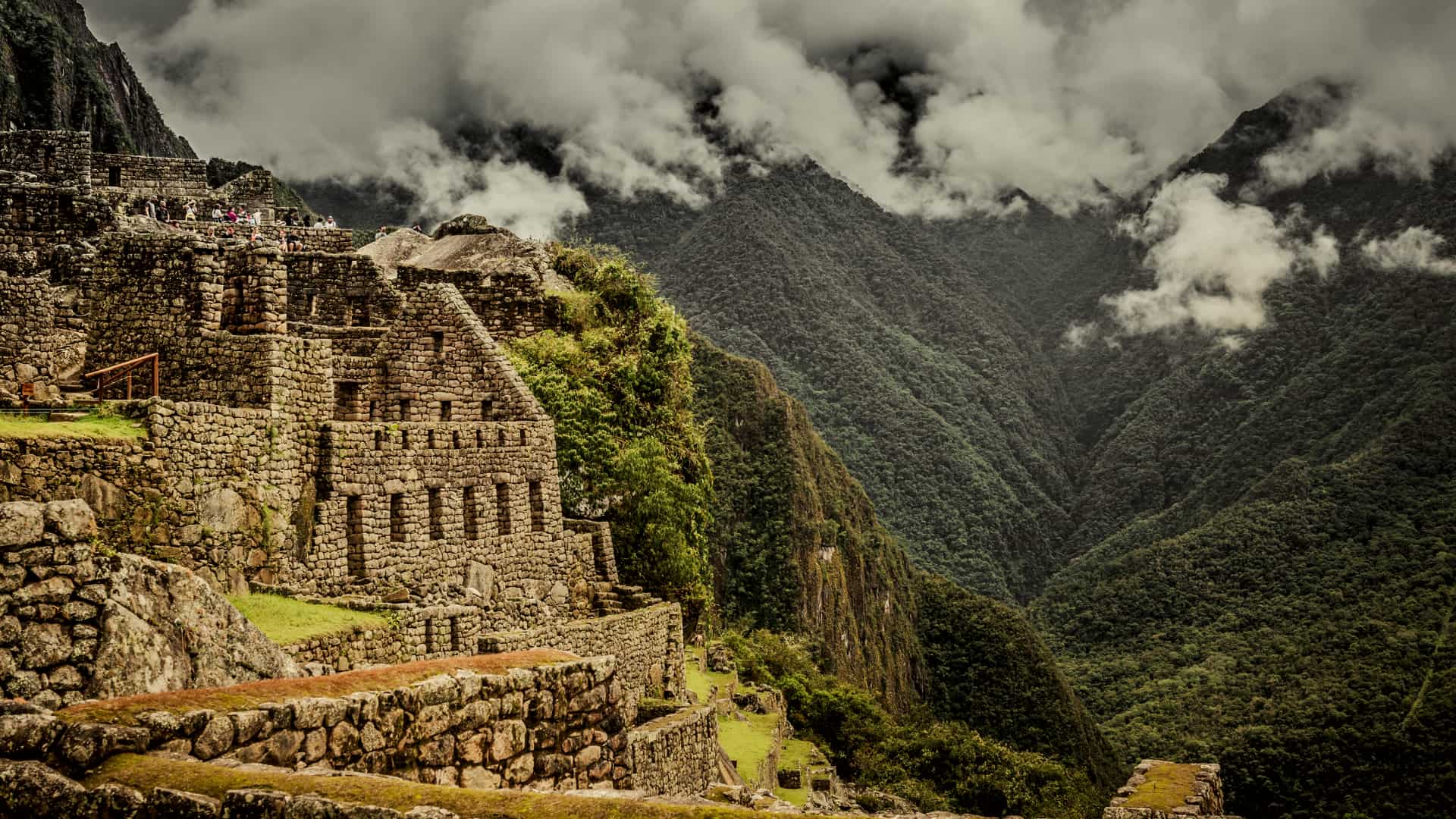
Machu Picchu, the jewel of Inca architecture, also has a strong relationship with astronomy. One of its most enigmatic buildings is the Temple of the Sun, a semicircular structure with windows aligned with the winter solstice. During this event, sunlight enters precisely through one of these windows and illuminates a carved rock inside, suggesting a ceremonial and astronomical function.
Another key point is the Intihuatana, a carved monolith that some researchers consider a “sundial”. The shadow cast by this element served to measure the passage of time and establish the beginning of the seasons.
Pisac and Ollantaytambo: Astronomy Observation Centers
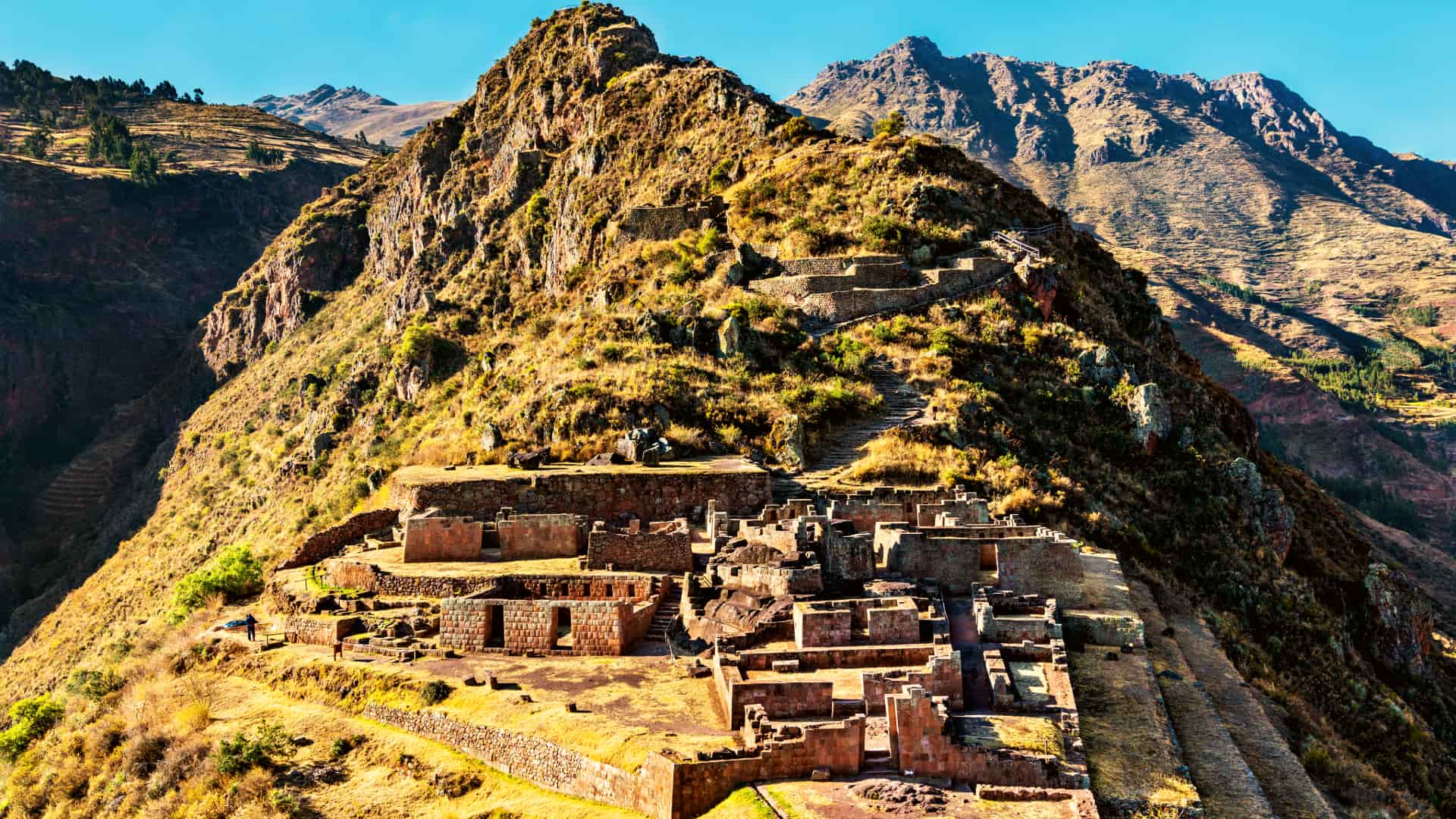
Pisac and Ollantaytambo, two of the most important archaeological sites in the Sacred Valley, also show evidence of Inca astronomical knowledge. In Pisac, structures have been identified that allow precise observation of the solstices and equinoxes. In Ollantaytambo, the location of its walls and temples is aligned with the sunrise and sunset on key dates of the Inca calendar.
Astronomical Legacy in Cusquenian Architecture
Today, the Inca astronomical legacy is still alive in Cusco. Major festivities, such as the Inti Raymi (Festival of the Sun), continue to be celebrated according to the astronomical events that marked the Inca calendar. In addition, researchers and archaeologists continue to discover new evidence that reinforces the idea that the city of Cusco and its surroundings were designed with a deep knowledge of the sky.
For those who visit Cusco, understanding this connection with the cosmos transforms the tourist experience into a journey of discovery and admiration for Inca wisdom. Each temple, each wall and each ceque are witnesses of a civilization that knew how to look at the sky and capture its knowledge in stone.
The influence of Inca astronomy in the architecture of Cusco is a testimony to the advanced knowledge of this civilization. The Incas not only built cities and temples, but also created an architectural system in harmony with the cosmos. Today, their buildings continue to amaze the world, reminding us that Cusco is much more than a historic city: it is a living observatory of ancient Andean wisdom.