
Inca Empire’s
The Inca Empire reached its peak during a 100-year period—a century that defined its greatness and solidified its legacy. During this golden era, the Incas perfected their architecture, expanded their territories, and established a political and social structure that made them the most powerful civilization in the Andes. Their temples, roads, and cities still speak of a visionary people willing to challenge fate and reshape history.
The Architect of the Inca Empire: Pachacútec
Pachacútec did not inherit the throne by birthright but by merit. While his father and his brother, the designated heir Urco, fled from an invasion, he took up arms and defended Cusco with bravery. His leadership inspired the Cusqueños, who chose him as their new ruler.
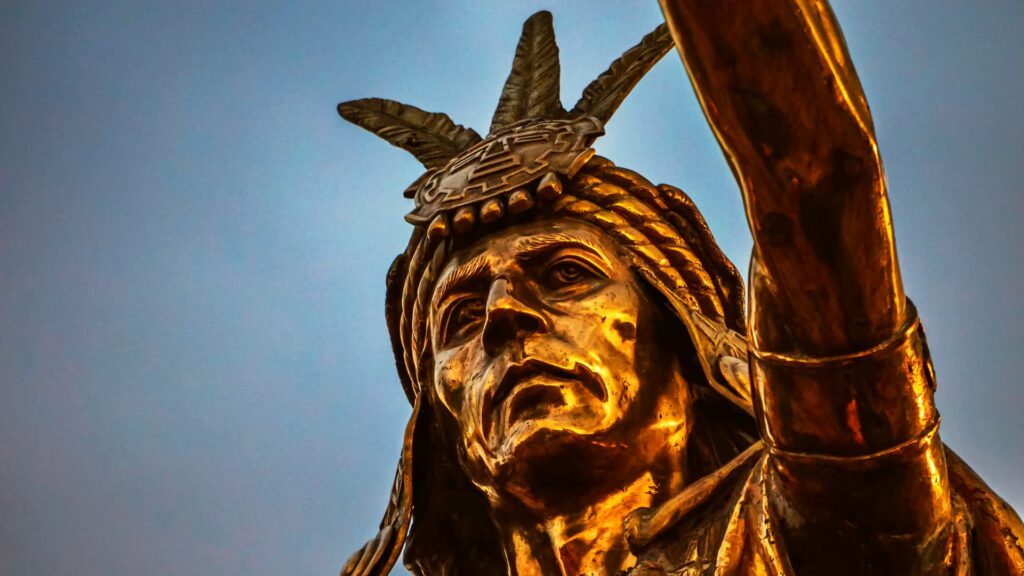
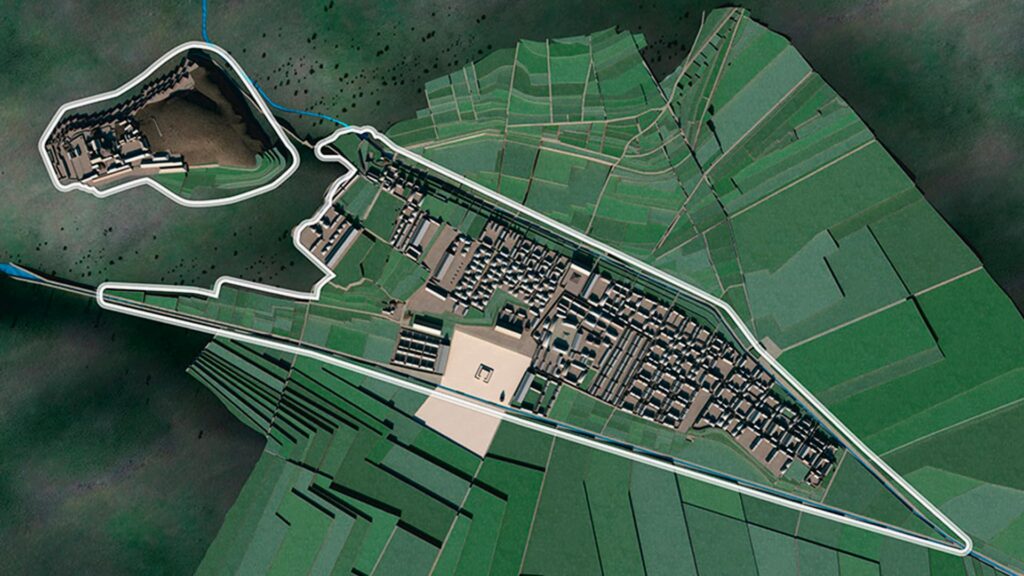
Upon taking power, Pachacútec realized that Cusco needed more than warriors; it required a complete reorganization. First, he rebuilt the city after the Chanca attacks, expanding and transforming it into a planned metropolis, designed in the shape of a puma. He then centralized power, turning the Cusqueñan confederation into a solid and organized empire.
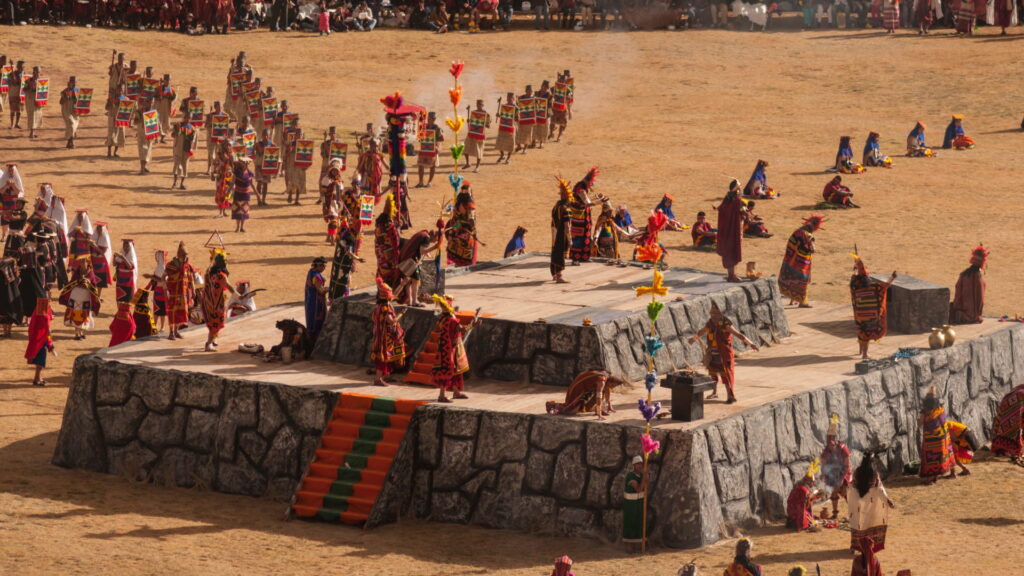
Pachacútec revolutionized military strategy. Instead of withdrawing after defeating his enemies, he established garrisons to maintain control over the conquered territories. He also professionalized the army by creating the Warachicuy, a ceremony where noble youths had to pass tests of endurance, strength, and speed to become military officers. This tradition remains alive today among students of the Colegio Ciencias High School in Cusco.
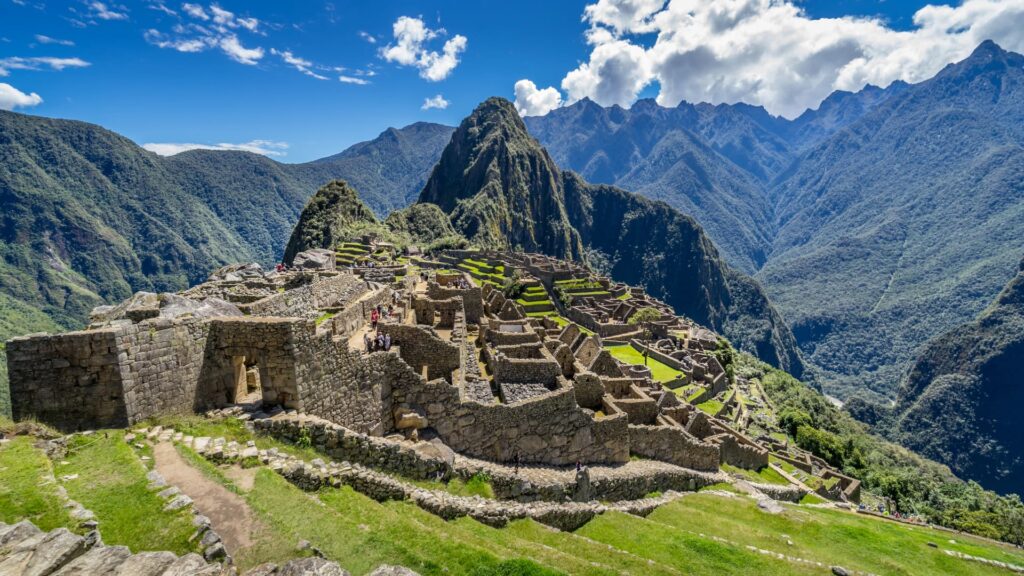
His administrative vision led to the creation of storage centers, or Tambos, which ensured a steady food supply for both the population and the army, safeguarding communities during natural disasters. His architectural legacy was equally impressive, as he ordered the construction of temples and palaces such as Sacsayhuamán and Machu Picchu, clear evidence of the remarkable architectural advancements of the Incas.
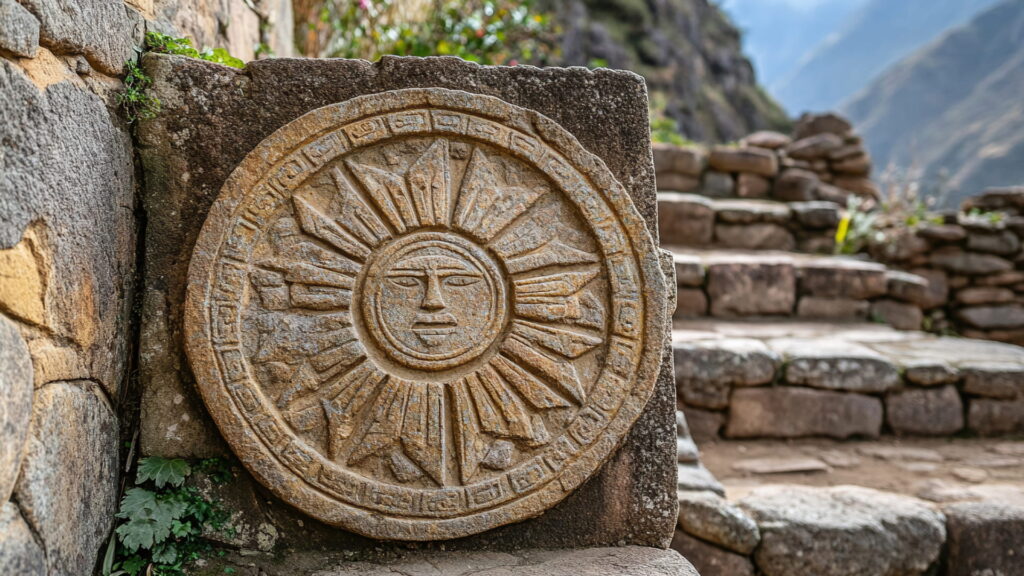
In the religious sphere, he strengthened the worship of the Sun God, Inti, expanding the Inticancha temple, which later became Coricancha, the Golden Temple of the Sun. These innovations consolidated Cusco as the great capital of the Tahuantinsuyo. However, the empire’s expansion did not go unnoticed, and its enemies remained vigilant.
Túpac Inca Yupanqui: The Conqueror of the Andes
Initially Pachacútec chose one of his sons as his successor, but noticing his lack of a warrior spirit, he changed his decision and named Túpac Inca Yupanqui, a natural-born leader already recognized as a great warrior and military strategist.
From an early age, Túpac Inca Yupanqui achieved significant victories, solidifying his reputation as one of the greatest Inca commanders. However, his greatest challenge lay ahead: defeating the powerful Chimú Kingdom, a coastal civilization renowned for its advanced metallurgy and its impenetrable fortress of Chan Chan.
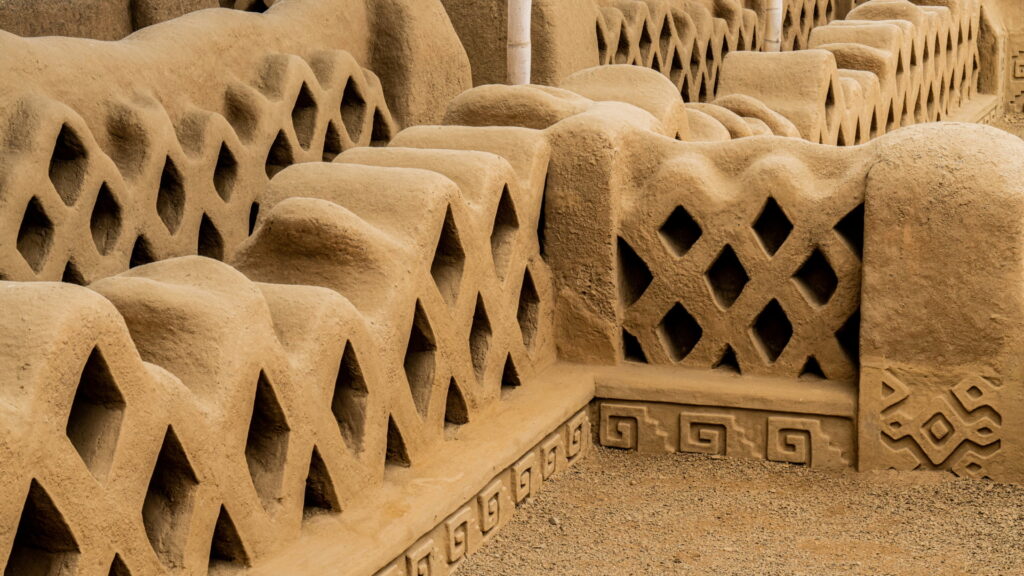
A direct assault would have been too risky, so the young leader devised a master plan: he diverted the river that supplied water to the city. Stranded in the desert without access to water, the Chimús were forced to surrender hastily, marking one of the most strategic victories in Inca history.
But Túpac Inca Yupanqui’s ambitions extended beyond the Andes. Some theories suggest that he navigated to the Polynesian islands, exploring parts of the Pacific Ocean—a feat that, if true, would make him the first South American explorer to undertake such a journey.
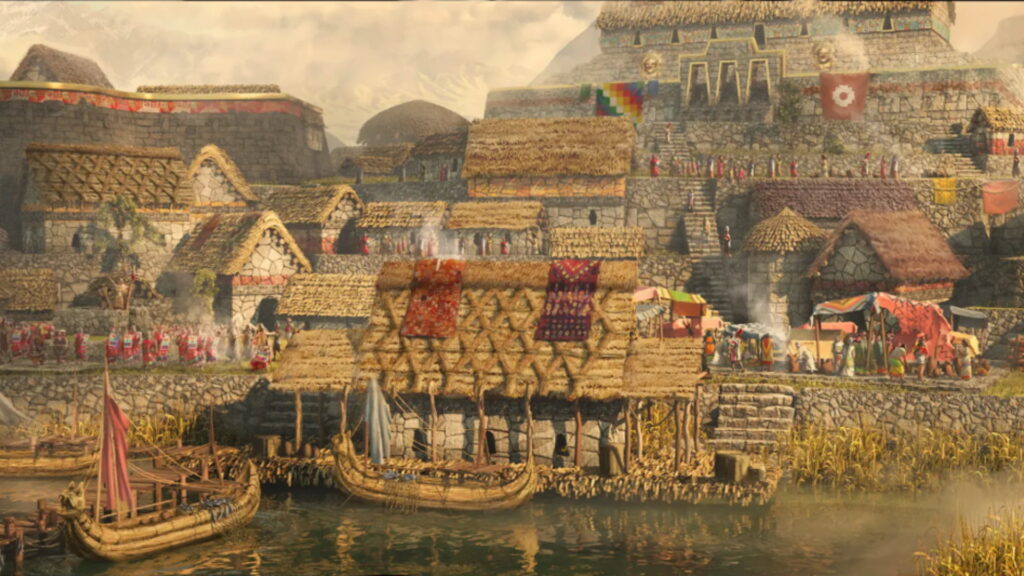
After expanding the empire, the next challenge for the Incas was stabilizing this vast territory—a task that would fall upon his son, Huayna Cápac.
Huayna Cápac: The Brilliant Statesman
Born Titu Cusi Huallpa, Huayna Cápac displayed intelligence and leadership skills from an early age. His grandfather, Pachacútec, and his father, Túpac Inca Yupanqui, showed special favor toward him, involving him in significant Inca ceremonies and preparing him for governance.
He inherited a vast empire and refused to rule from Cusco alone. He traveled through every province, ensuring peace, crushing rebellions, and strengthening political alliances. Thanks to his leadership, Tahuantinsuyo experienced an era of unprecedented stability and prosperity.
However, fate had other plans. A mysterious illness struck him, weakening him rapidly. Foreseeing his death, he appointed his son, Ninan Cuyuchi, as his heir, but the child passed away before him. Without a clear successor, the empire was left on the brink of civil war.
Finally, this uncertainty triggered a brutal conflict between his sons, Huáscar and Atahualpa, weakening the empire just before the arrival of the Spanish conquistadors.
The Legacy of the Inca Empire
The Golden Age of the Inca Empire ended abruptly, but its greatness remains alive; the Quechua language, traditional dances, textiles, Andean worldview, and breathtaking structures such as Machu Picchu and Sacsayhuamán continue to remind the world of the ingenuity and vision of a civilization that once ruled the Andes. They created a legacy that transcends time.