
The Inca history begins with the discovery of the Valley of Cusco by its founder Manco Ccapac and his wife Mama Ocllo, this legend has an antiquity of more than 700 years ago, and tells us how the God Inti sent his children to look for the ideal place for the initiation of his empire, since he saw where the population that worshiped him was located, For this reason he sent his son with a golden rod, which would sink when he found the place indicated by his father, thus began one of the largest empires in the world and with a history that still stands in the city of Cusco, capital of the Inca Empire.
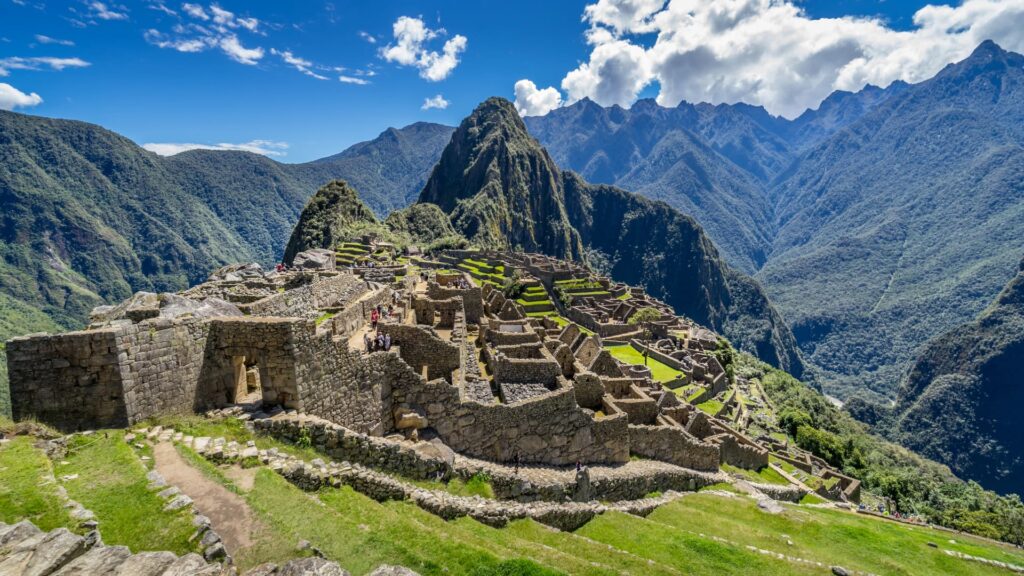
Where did the Inca History develop?
The civilization developed in the geographical area where we know today as the central Andes. We could say that the beginning of the Inca Empire started in the XIII century, in Peru there were already cultures that we will call Pre Incas, these cultures influenced the Inca Empire in several aspects, such as textiles, ceramics, gold work, music, astronomy and astrology, among others.
The empire had its beginnings around Lake TitiCaca, from where the founders migrated to the valley of Cusco, the Tahuantinsuyo was created, the etiology of this word tells us that: Tahua; means four and theirs; means region, nation, this empire formed by the 4 regions: Collasuyo, Chinchaysuyo, Contisuyo and Antisuyo.
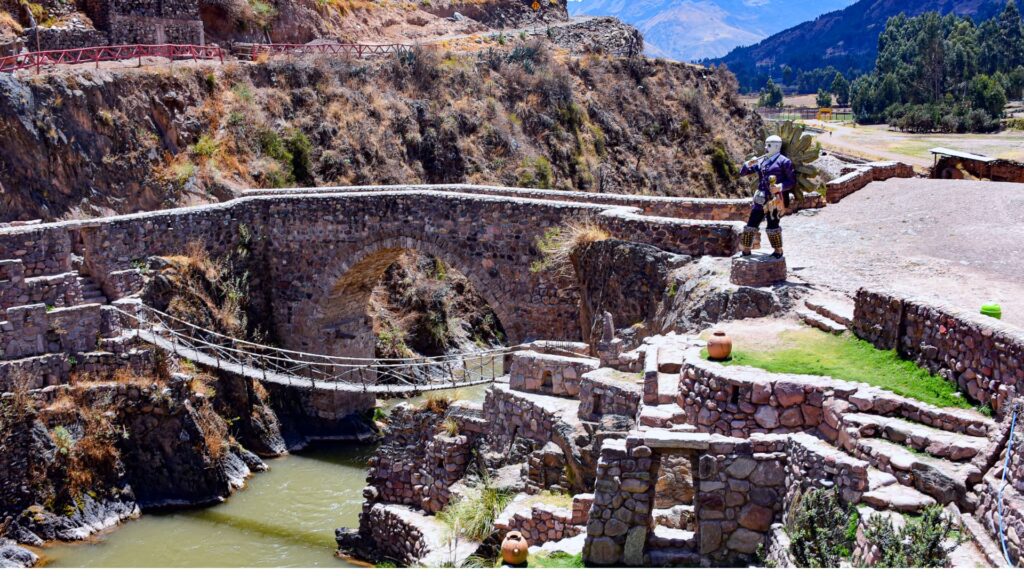
What regions did the Suyos occupy?
Collasuyo:
We began that symbolically it was the region of the Llama, it was the Suyo with more extension but with little population occupying.
At the same time it was also the most important of the empire, it began in Urcos, it extended to the east to the highlands of Bolivia, to the south towards the Maule River in Santiago de Chile, and to the south from the Pacific coast to the plains of Santiago del Estero in Argentina.
Chinchaysuyo:
We say that symbolically it was the region of the Tigrillo, it was the most important Suyo in the agricultural part. Its extension went from Caravelí in Arequipa to Pasto in Colombia.
Contisuyo:
On the other hand the Symbolically it was the region of the Condor, it was the Suyo in charge of providing the Inca and his royalty with maritime products, its extension was undoubtedly the smallest, being located between Chinchaysuyo and Collasuyo.
Antisuyo:
On one side the symbolically it was the region of the Jaguar, this his had its development in the high part of the Amazon, provided with infinity of resources like coca, medicinal plants, gold, feathers and expotic birds, its extension went from the jungle that today belongs to Bolivia to the Pacific in Colombia.
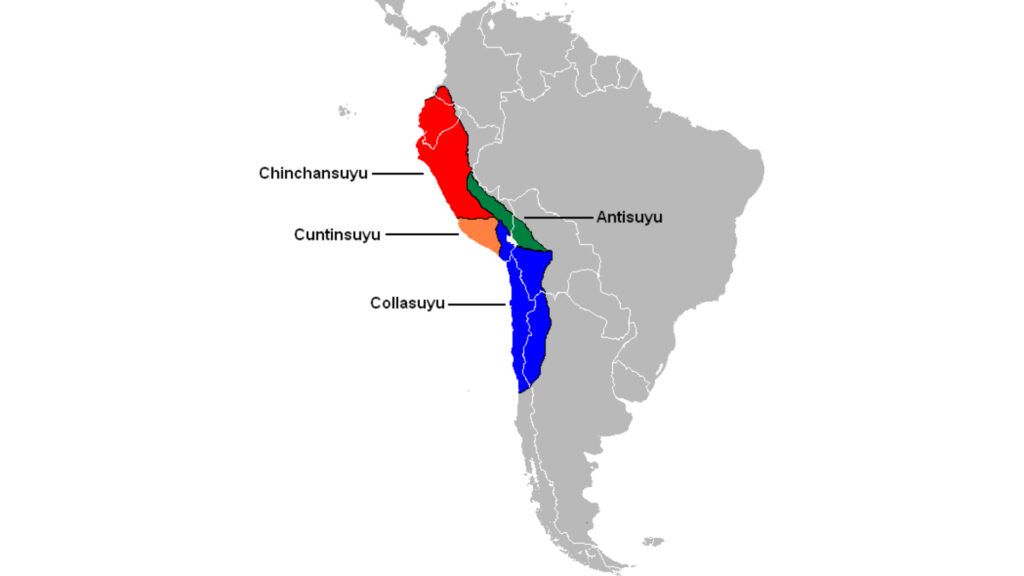
The expansion of the Empire was so great that it came to include territories of Colombia, Ecuador to the north, Bolivia to the east and Chile and Argentina to the south.
Then the footprint left by the Incas in these countries has been exceptional and for that reason there are still populations in Ecuador, Colombia, Bolivia and Argentina, who speak Quechua, which was the official language of the Inca Empire and also an ancient language that keeps within its complexity mysteries that are still being investigated by experts.
Did the Incas have a political organization?
So the Inca Empire did have a political organization, it was monarchic and theocratic, the power was managed by the Inca, who was considered by the inhabitants of the empire as God and son of the Sun.
At the same time, it was also multinational, since other populations and civilizations developed in their domains, which were not conquered by the Incas in order to preserve their way of life.
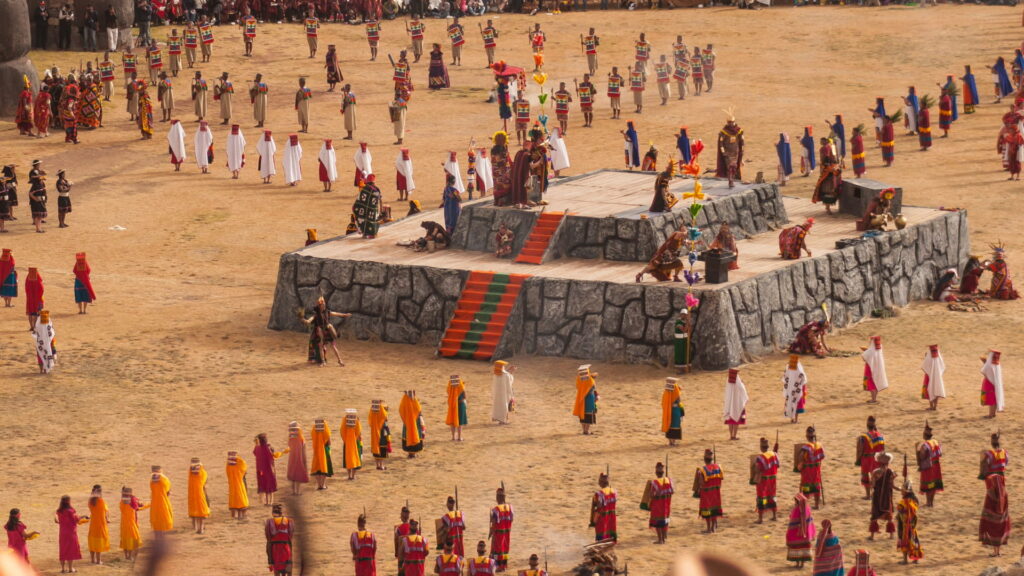
How was the political division of the Inca Empire ?
The Inca:
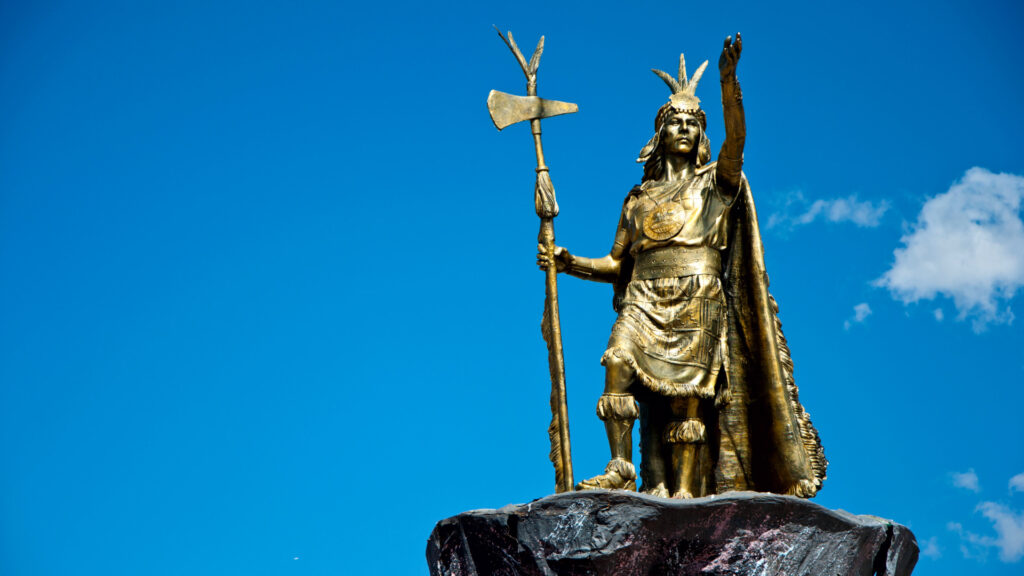
Was the maximum authority of all the extension and political organization of the Incas during the entire development of the Tahuantinsuyo, the power he wielded was absolute over everyone and everything, he resided in Cusco, where each Inca built magnificent palaces.
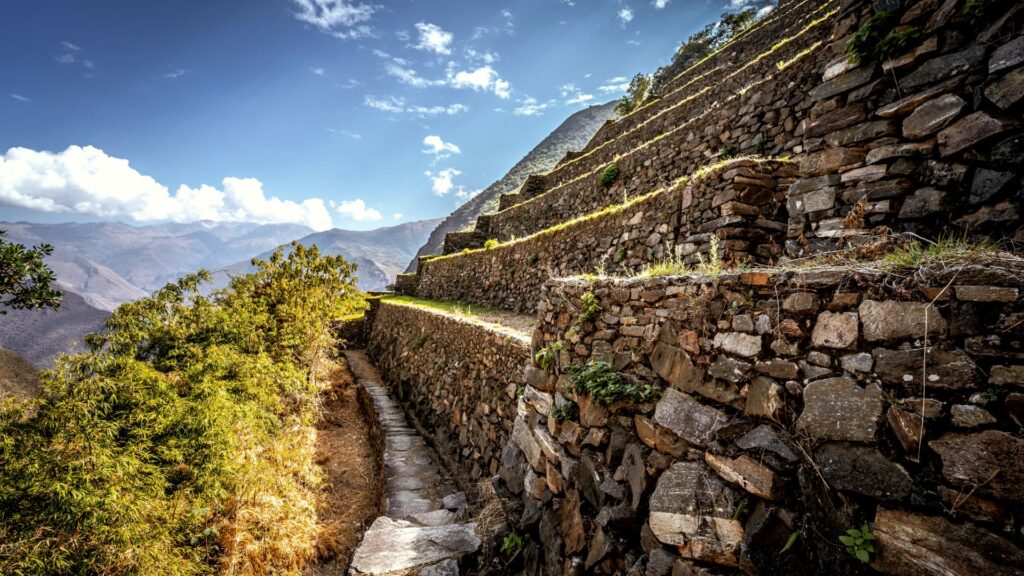
For this reason Cusco became the imperial city of the Tahuantinsuyo. From Cusco the orders and executions of the actions were carried out, whether they were construction of roads (Qhapaq Ñan), construction of inns for travelers (Tambos), adequate use of resources, military distribution, etc.
Such was the loyalty of the inhabitants of Tahuantinsuyo towards the Inca, that all obeyed the mandate and actions commanded by him.
The Municipal Council:
These were in charge of providing advice to the Inca on the diverse situations they faced, to take actions and above all to maintain order and an adequate life for all the members of the Empire.
They met under the tutelage of the Inca since they also provided information about the Suyos and their development. The municipal council was elected directly by the Inca since this had to be composed of people trusted by the Inca.
The Apunchic:
Was the governor of the provinces within the Suyos, he was in charge of maintaining order and executing the actions given by the Inca for each one of them, due to the difference of functions within the Empire.
The Apunchic had to maintain a direct relationship with the Inca and was also in constant travel to supervise and report the development of his province for the Inca. Each had many provinces and each of these was led by an Apunchic in question.
The Tucuyricuy:
It was known as the one that sees everything, they were considered as the ones in charge of the inspections of the Incas. The main objective of this one was to watch over the correct management of the functions within the Empire.
His power also gave him the authority to impose taxes and apply sanctions. It could be said that his character represented the image of the Inca himself. He received and provided his reports to the Inca, no one else could give him orders or demand reports on the Empire.
The Curaca:
On one that they were known as the local managers of the empire. They were in direct contact with the community and for that reason it was their obligation to establish order in production, work, public works construction, military service, etc.
So the Curaca had a small palace, he would have control over a larger plot of land to cultivate, he also had the power to visit the Inca and because of his position he could have an Aclla as his wife. If any of these Curacas failed to fulfill his duties, he was sent to remote places (punas) to carry out pastoral work.
The Purec:
So this was the head of the family, he belonged to the working class of the Empire, and was in charge of fulfilling all the tasks that the Inca commanded towards the families, such as doing public works, joining the military service, working the land, construction of the Inca palaces. The Purec had no contact with the Inca, but according to the needs he could meet with the Curaca.
When the Inca began his reign, he married the daughters or sisters of each of the aforementioned leaders, thus ensuring better coordination and understanding within the Empire.
There is much more of Inca history, follow us so you can learn more about this great culture and when you visit Cusco be prepared and be the one who surprises!