
Wiñay Wayna is undoubtedly one of the most important and fascinating archaeological sites on the Inca Trail to the Machu Picchu Historic Sanctuary. Its name in Quechua means “Forever Young”, and reflects the majesty as well as the architectural ingenuity of the Inca civilization.
Main characteristics of Wiñay Wayna:
Location:
It’s located at approximately 2650 m.a.s.l and is a key stop on the route to the Machu Picchu Historic Sanctuary, near the Inti Punku (Sun Gate) and the historic santuary.
This archaeological site is surrounded by the exuberant high jungle, which gives everyone who visits it a unique, mystical atmosphere and an unforgettable memory.
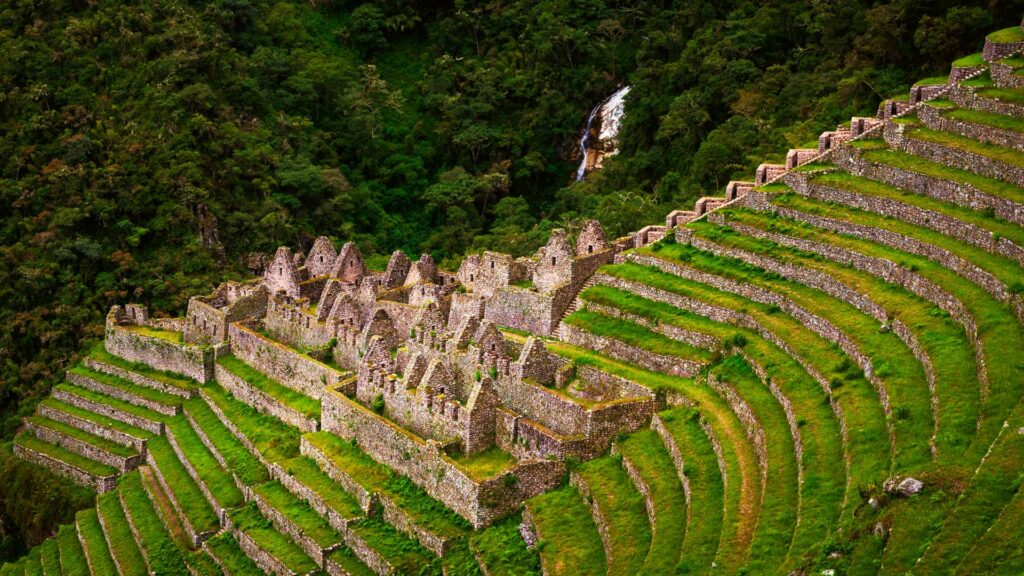
Inca architecture of Wiñay Wayna:
Architectural Characteristics:
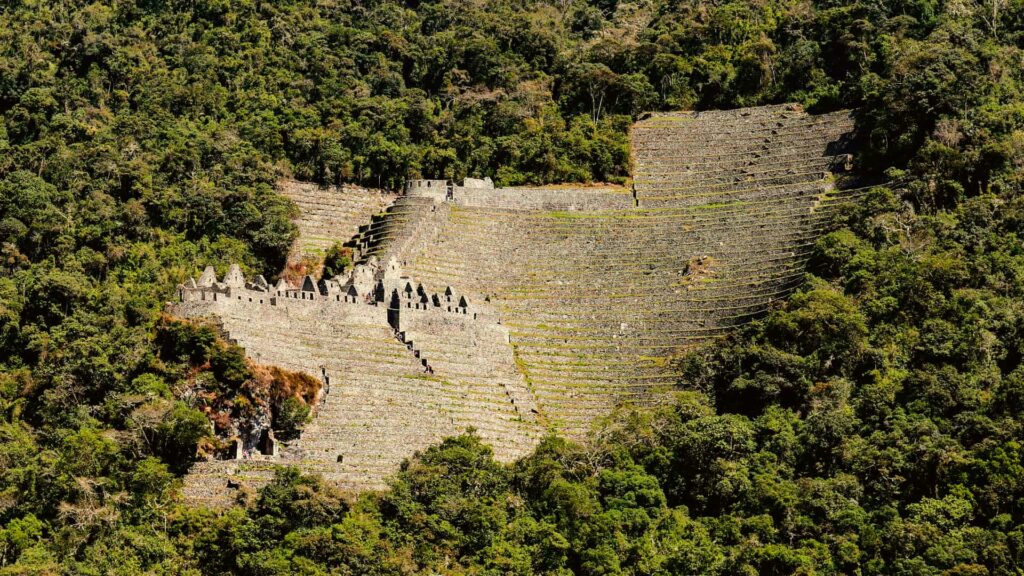
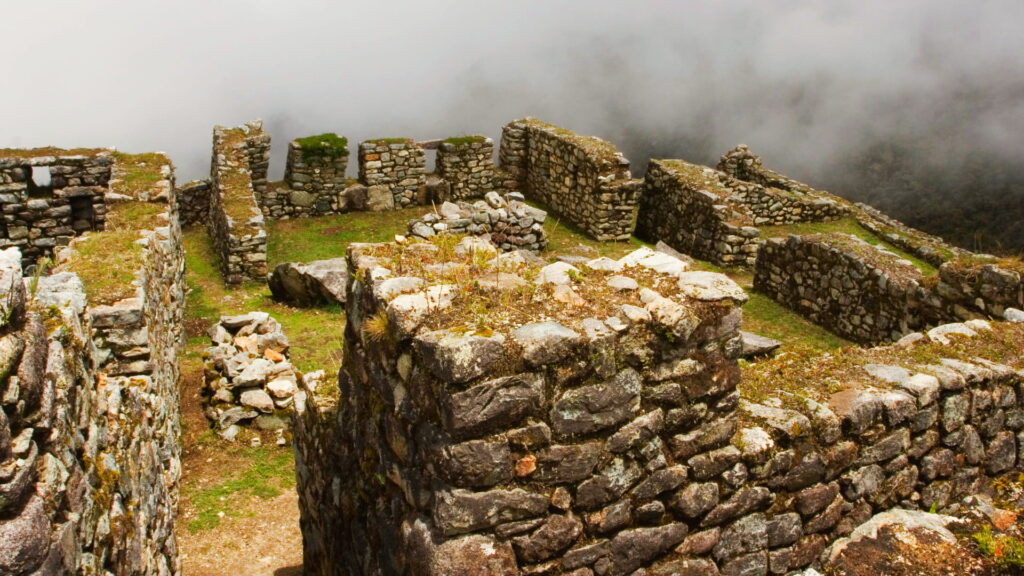
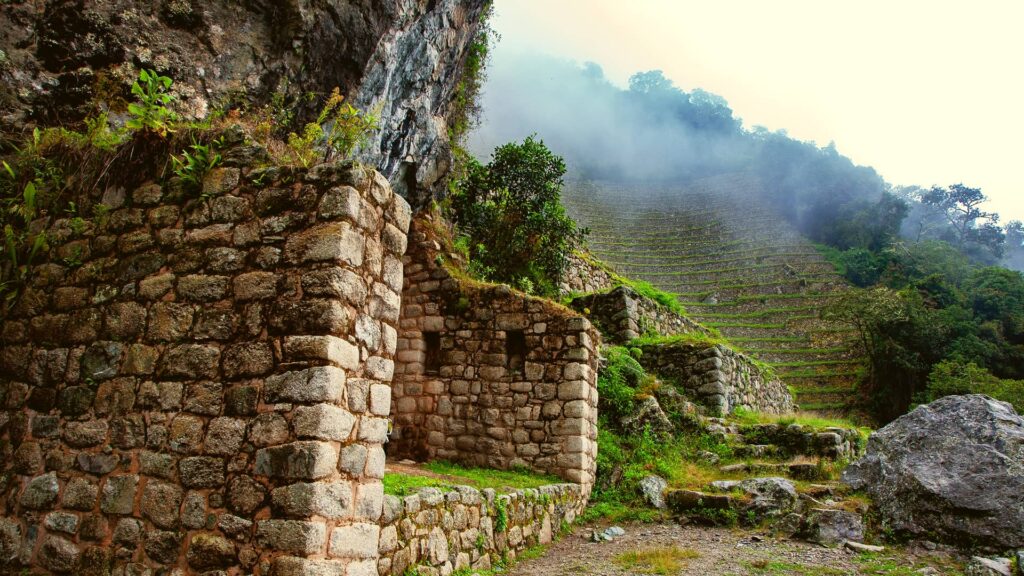
The main architectural structure is composed of two platforms distanced by the agricultural terraces found in this archaeological site.
These constructions are arranged according to the Inca urban pattern of the Kancha type.
What are the buildings of the Kancha type ?
It‘s considered Kancha type to all Inca buildings that are made with a rectangular projection based on an open space.
The doorways, entrances, windows and niches have a trapezoidal shape, according to the Andean cosmovision the Incas believed that our earth had a direct relationship with the stars, that is why most of the Inca constructions present this pattern, they are aligned to constellations and groups of stars that can be observed from each of the archaeological sites.
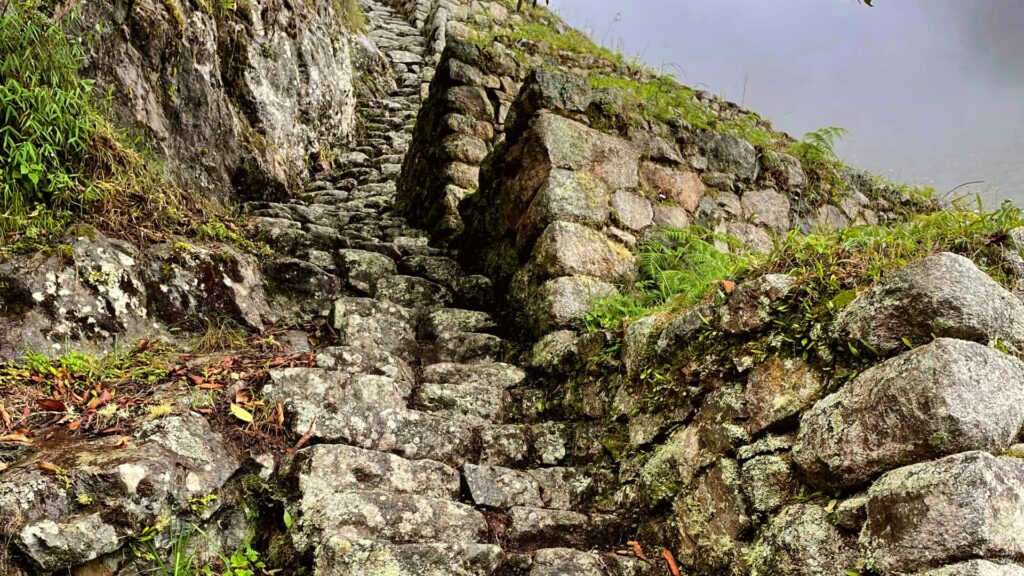
The entire network of constructions made in the Inca period were based on granite lithic elements, due to its resistance to structural change over the years. This has also led several researchers to ask themselves this question:
How could they move such large stones to the top of the mountains?
According to the stories that have been passed down through the generations, there are several theories about how the Incas were able to achieve such an event.
Transformation of the density of the rocks:
According to this idea, it is said that the Incas were gifted in the art and control of sound, in this way they found a frequency for the stones to change their density and therefore their weight, in this way, they could mold, transport the immense rocks to the places they wanted. Whether remote valleys such as Machu Picchu or mountain tops as in the Saqsayhuaman Architectural Complex.
The Incas were giants:
This story is also gaining strength, since the Inca anatomy was very different from what we see today in our population, this idea presents the hypothesis that there was a certain group within the Incas “The Builders” who were responsible for performing such feats.
The remarkable constructions present in Wiñay Wayna:
The house of the Inca, has always been the place with more details and components, both decorative and functional. The archaeological site of Wiñay Wayna, the house of the Inca has several patios, as well as being surrounded by waterfalls and canals. It is said that the Incas had a special connection with water, that is why in all the buildings made by them, there should always be a water flow, which made them maintain the same energy and connection with Mother Earth (PachaMama).
Also within this complex we can find a tower, it is a semicircular construction with seven windows where it is believed that they performed religious events.
Numerology in the Andean cosmovision:
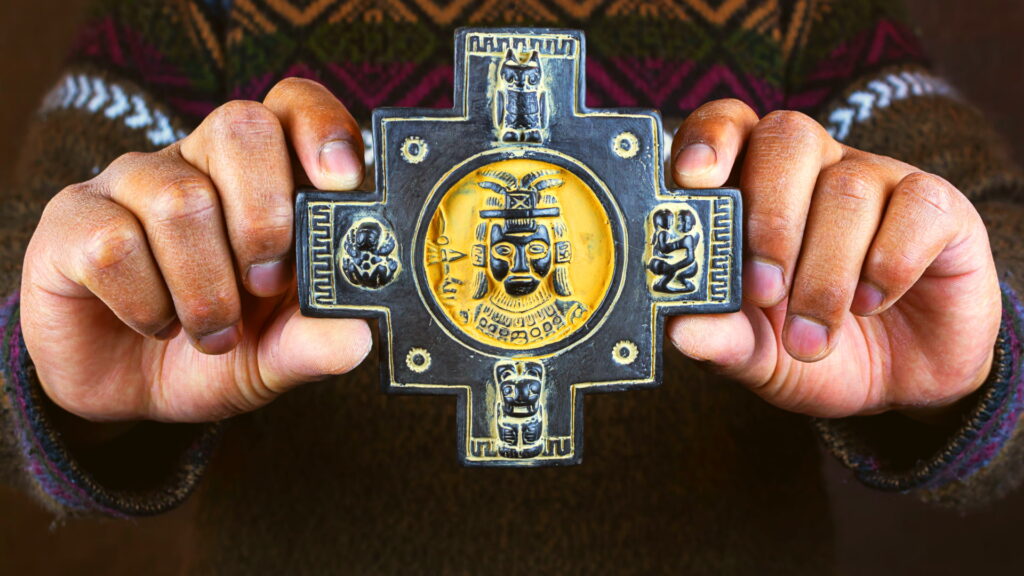
Numerology within the Inca culture had great importance, both for the construction of its architectural complexes, as well as for its cultural development, in Cusco city, has 7 streets that within its name also carry the 7; these streets are:
- Seven little devils
- Seven windows
- Seven borreguitos
- Seven snakes
- Seven little angels
- Seven cuartones
- Seven mascarons
Apart from this number, the Andean cosmovision also presents meaning for the numbers from 0 to 10, some of these Andean codes are:
Kawsay: To recognize one’s own existence in the cosmos.
Anya: To share points of view and to recognize those of others.
Munay: Love, desire and power to transform life.
Llank’ay: To understand the processes of linear time.
Yachay: To know, to give meaning to experiences.
Ayni: Sharing, reciprocity, giving and receiving.
Kawsay pacha: Existence of individuality in immensity.
Functions of the archaeological site of Wiñay Wayna:
The main functions of the archaeological site of Wiñay Wayna are:
- Food storage.
- Ceremonial Center.
- Rest and purification place for pilgrims seeking to reach the sanctuary of Machu Picchu.
The importance of Wiñay Wayna:
Stories tell that this architectural complex was an important base for pilgrims who wished to reach the historic sanctuary of Machu Picchu, since all the pilgrims had to pass purifying ceremonies inside this complex, since it has several floors of water wells.
How do I get to Wiñay Wayna ?
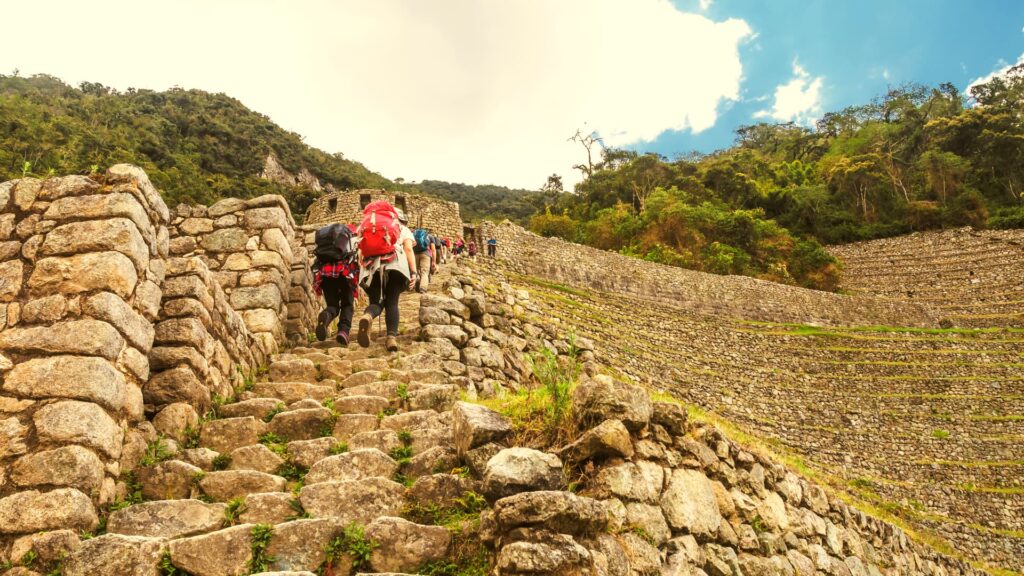
To get to Wiñay Wayna you can only get there on foot, you can choose to do the classic Inca Trail or the short Inca Trail.
Tips for visitors:
Physical preparation:
Although it is accessible, the trek to Wiñay Wayna includes certain slopes, it is important to be in good physical condition, both to enjoy the trek, and to achieve your goal of reaching the sanctuary of Machu Picchu.
Equipment:
Bring appropriate footwear and clothing, repellent and plenty of water.
Respect for the place:
Respect the place, follow the rules and enjoy your visit to this wonderful architectural complex.
Wiñay Wayna is an archaeological wonder that combines history, culture, nature and dedication, thus offering you an unforgettable experience !